The common parasitic horn fly (Haemotabia irritans) can drain up to...
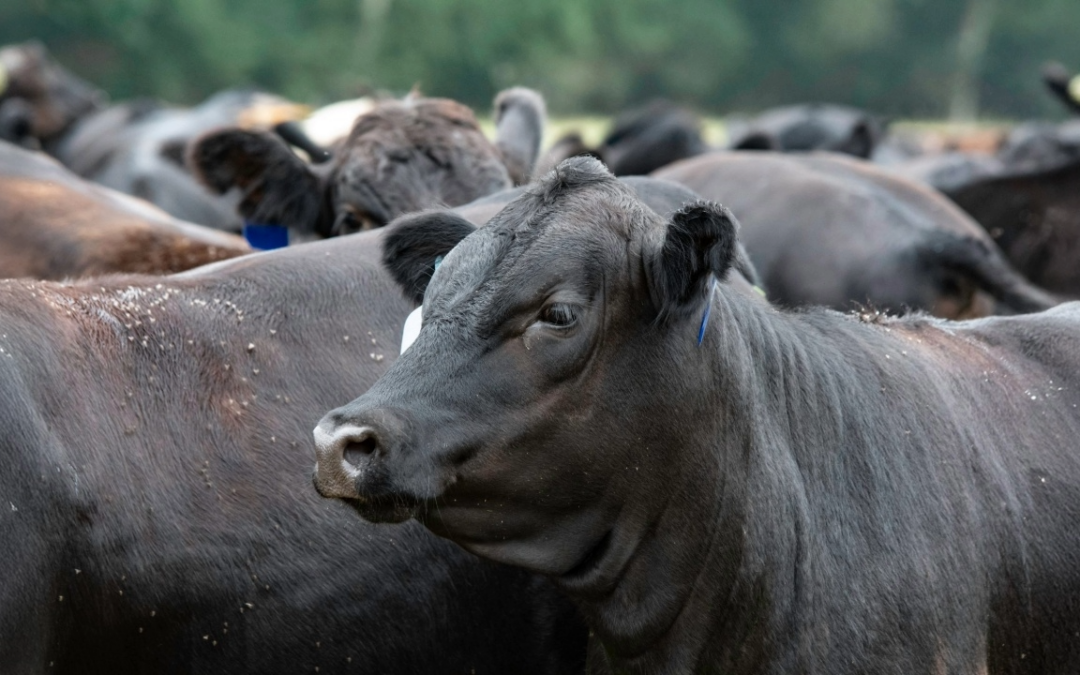

The common parasitic horn fly (Haemotabia irritans) can drain up to...
Advises future ag students to get involved The spring 2025 graduation marshal for the Auburn University College of Agriculture is a familiar face around Comer Hall. Will Rich was selected from among the agriculture spring graduates to represent the college at the...
Sudhanshu Kumar, a Ph.D. student in the Hydroclimate Research Group within the Department of Crop, Soil & Environmental Sciences, has been selected for the 2025 LEAP Summer Momentum Fellowship — a prestigious and highly competitive opportunity for doctoral...

Effective July 1, 2025, Josh Lee will join Auburn University and the Alabama Cooperative Extension System as an extension specialist for cotton. His responsibilities...
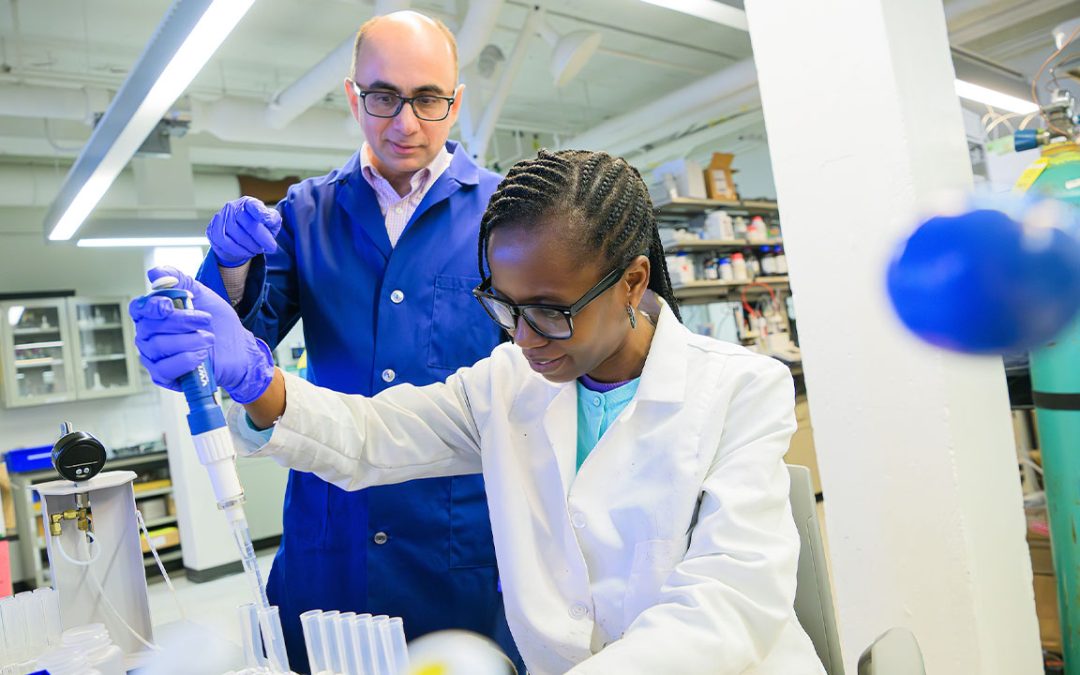
The Southeastern Conference (SEC), on Feb. 24, named Sushil Adhikari as Auburn’s honoree for the SEC Faculty Achievement Award.

Sushil Adhikari will serve as the Auburn University College of Agriculture’s interim associate dean for research and interim associate director of the Alabama...
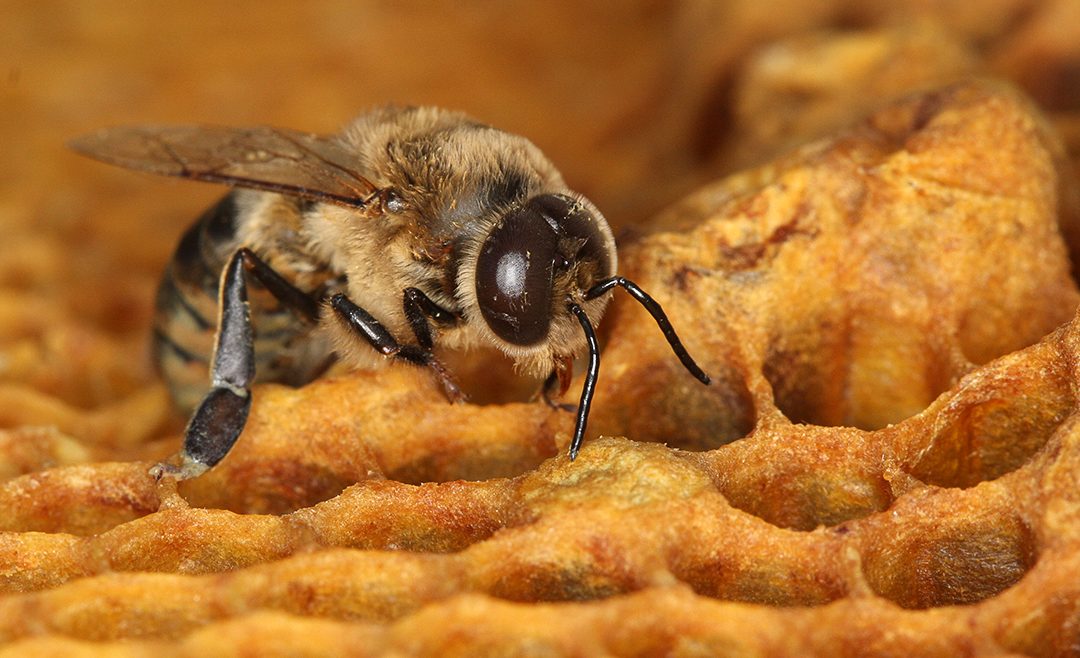
An entomologist whose most recent findings as a senior research associate at Switzerland’s University of Bern suggest that two widely used pesticides act as unintended contraceptives in male honey bees has joined the Auburn University College of Agriculture as assistant professor of insect pollination and apiculture in the Department of Entomology and Plant Pathology.
Amy Wright, horticulture professor and interim administrator in the College of Agriculture, has been named one of 10 recipients of Auburn University’s 2017 Spirit of Sustainability Awards. Wright is the Harry G. Ponder Endowed Professor of Horticulture at Auburn and...
Kim Mullenix, assistant professor and extension specialist in Auburn's Department of Animal Sciences, was recognized as the Alabama Beef Cattle Improvement Association's 2016 Outstanding Extension Educator during the organization's 2017 annual meeting in Jemison....
By Eddie McGriff Henderson Farms in Madison, Alabama, topped the 2016 National Corn Growers Association state contest for Alabama in the irrigated (305.7 bushels per acre) and the non-irrigated categories (232.7 bushels per acre). Mike Henderson along with son, Chad,...
Three Auburn University researchers will be among more than 60 academic and governmental researchers to participate in the SEC Academic Conference to be held this month. Eve Brantley, Extension specialist and associate professor, Department of Crop, Soil and...
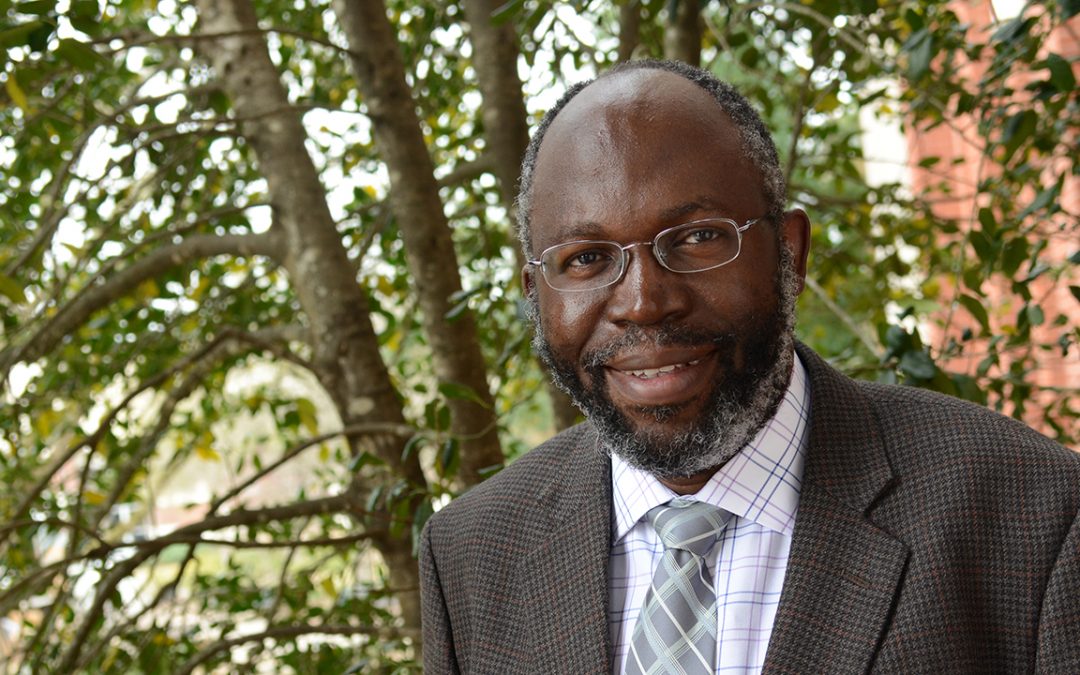
“Dr. Fasina’s background in research, teaching and academic administration makes him an ideal fit for this position,” Patterson said. “He has advanced the research programs of his department and the college in excellent ways through his previous roles, and his extensive professional and academic work outside of Auburn have given him a depth of experience that will be valuable.
Students from kindergarten through 12th grade can get the scoop on the dairy business and bone up on their milk facts when they attend Dairy U, an educational, hands-on workshop set for Saturday, April 22, 8 a.m.–3 p.m., at the Stanley P. Wilson Beef Teaching Unit on...
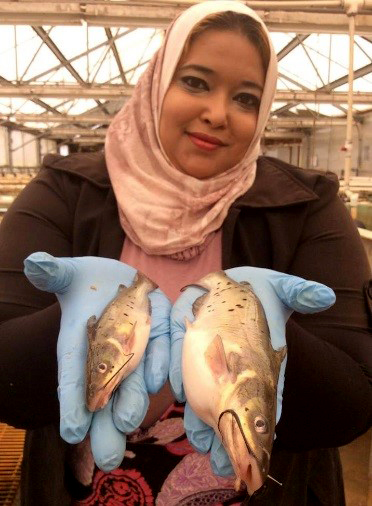
The award recognizes Youssef’s abstract, “Effect of combined transgenic channel catfish Ictalurus punctatus growth hormone (GH) and their siblings on growth rate of channel catfish in earthen ponds,” which summarizes her research on the growth performance of male and female transgenic channel catfish growth hormone (GH) cDNA and their full siblings in earthen ponds at different ages.
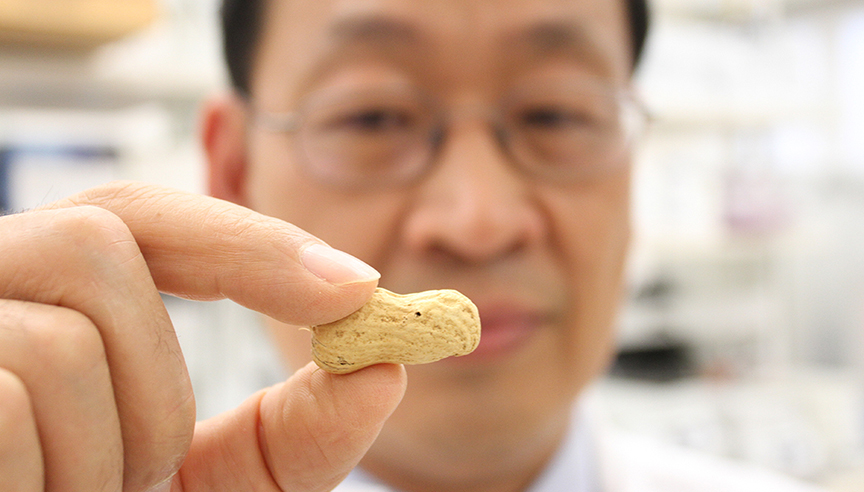
Auburn University might be relatively new to the peanut breeding business, but its just-released runner peanut variety is already winning accolades for its high yields, resistance to disease and healthy traits. The new release is the product of a peanut breeding program operated jointly by the Department of Crop, Soil and Environmental Sciences and USDA’s National Peanut Research Lab.
From the Alabama Department of Agriculture and Industries On Sunday, March 5, 2017, the United States Department of Agriculture’s (USDA) Animal and Plant Health Inspection Service (APHIS) confirmed the presence of highly pathogenic H7 avian influenza (HPAI) in a...
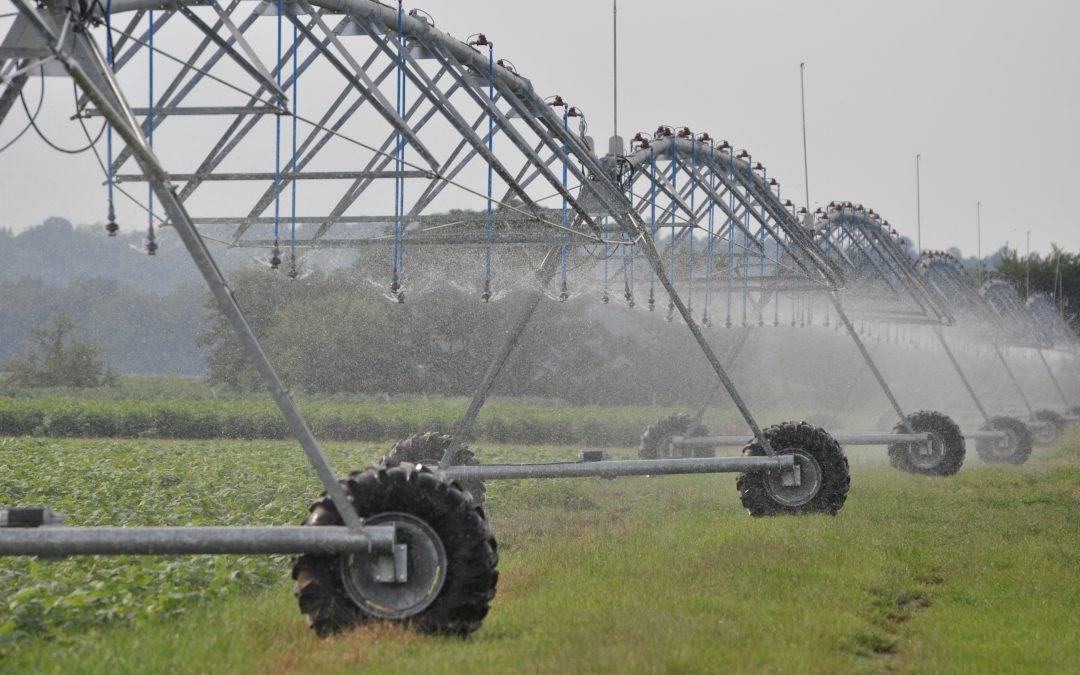
In Alabama, farmers often say that, during the summer, they’re always 10 days away from being in a drought. So this past year, when some parts of the state went for more than 70 consecutive days without measurable rainfall, many—including farmers, municipalities and others who rely on a plentiful water supply—were unprepared.
Austin Hagan, professor in the Department of Entomology and Plant Pathology and Alabama Extension plant pathologist, will discuss the results of a two-year study on developing integrated strategies for managing target spot in cotton in a webinar scheduled for Monday,...
The Alabama Precision Agriculture Extension Program will be presenting several precision agriculture workshops in 2017. The following are topics and other information about the programs. Use of Soil Sensors for Irrigation Scheduling. This workshop will discuss the...
Auburn University is joining forces with the world’s leading sports turf consultancy to initiate research and development programs throughout the U.S. sports surface market. The agreement with the STRI Group will focus primarily on expanding the U.S. soccer industry, as well as conducting surfaces research in other sports including golf, football, baseball and equestrian.
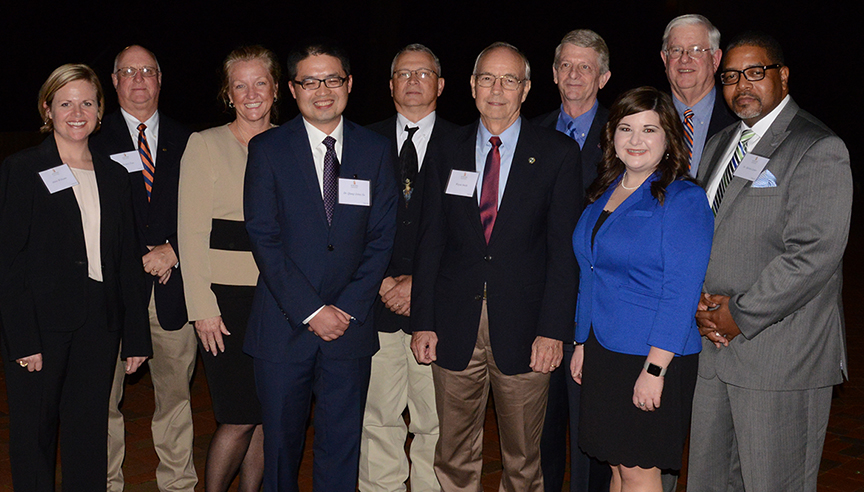
Ten successful professionals who hold academic degrees from Auburn University’s College of Agriculture have been selected as the college’s most outstanding alumni for 2017. The 10 include the recipient of the 2017 Alumni Service Award and nine Alumni Award winners who were chosen by and represent the academic units and programs from which they earned their degrees.
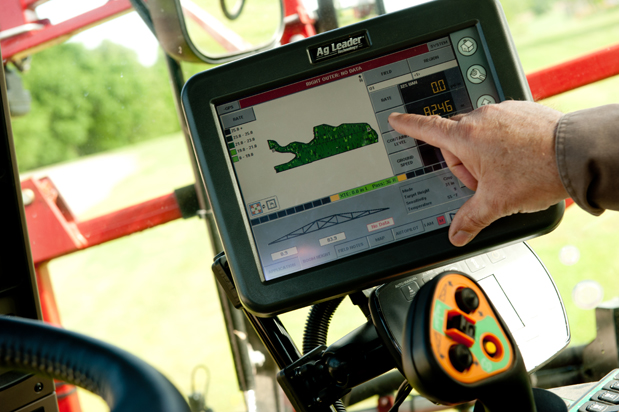
How big is data in U.S. agriculture? Consider that one acre of corn can generate seven gigabytes of data. With approximately 93 million acres of the crop currently in production, that’s 145 million DVDs filled with information—from just one crop.
by MAGGIE SMITH Christy Bratcher always knew she wanted a career that involved working with animals. However, being a veterinarian didn’t seem like the right fit. Bratcher, now an associate professor in the Department of Animal Sciences, knows she has found her home...
The Auburn University Agricultural Alumni Association will honor five men who have had a major impact on Alabama agriculture when it hosts the 2017 Alabama Agriculture Hall of Honor banquet Feb. 9 at the Auburn Marriott Opelika Hotel and Conference Center. The five...
Plant pathology faculty member Leonardo De La Fuente has been appointed the Entomology and Plant Pathology Faculty Endowed Professor in the Department of Entomology and Plant Pathology and Department of Horticulture head and professor Dave Williams reappointed as the...
Henry Fadamiro has been tapped to serve as associate dean for research in Auburn University’s College of Agriculture and as associate director of the Alabama Agricultural Experiment Station, effective Jan. 1, 2017. He has served as the college’s assistant dean and...
From the Andalusia Star News Students attending LBWCC with plans to transfer to Auburn after earning their associate degree now have a clearer track to get there. On Monday, officials from LBWCC and Auburn University signed a transfer agreement for the Department of...
An entomologist whose most recent findings as a senior research associate at Switzerland’s University of Bern suggest that two widely used pesticides act as unintended contraceptives in male honey bees has joined the Auburn University College of Agriculture as assistant professor of insect pollination and apiculture in the Department of Entomology and Plant Pathology.
Amy Wright, horticulture professor and interim administrator in the College of Agriculture, has been named one of 10 recipients of Auburn University’s 2017 Spirit of Sustainability Awards. Wright is the Harry G. Ponder Endowed Professor of Horticulture at Auburn and...
Kim Mullenix, assistant professor and extension specialist in Auburn's Department of Animal Sciences, was recognized as the Alabama Beef Cattle Improvement Association's 2016 Outstanding Extension Educator during the organization's 2017 annual meeting in Jemison....
By Eddie McGriff Henderson Farms in Madison, Alabama, topped the 2016 National Corn Growers Association state contest for Alabama in the irrigated (305.7 bushels per acre) and the non-irrigated categories (232.7 bushels per acre). Mike Henderson along with son, Chad,...
Three Auburn University researchers will be among more than 60 academic and governmental researchers to participate in the SEC Academic Conference to be held this month. Eve Brantley, Extension specialist and associate professor, Department of Crop, Soil and...
“Dr. Fasina’s background in research, teaching and academic administration makes him an ideal fit for this position,” Patterson said. “He has advanced the research programs of his department and the college in excellent ways through his previous roles, and his extensive professional and academic work outside of Auburn have given him a depth of experience that will be valuable.
Students from kindergarten through 12th grade can get the scoop on the dairy business and bone up on their milk facts when they attend Dairy U, an educational, hands-on workshop set for Saturday, April 22, 8 a.m.–3 p.m., at the Stanley P. Wilson Beef Teaching Unit on...
The award recognizes Youssef’s abstract, “Effect of combined transgenic channel catfish Ictalurus punctatus growth hormone (GH) and their siblings on growth rate of channel catfish in earthen ponds,” which summarizes her research on the growth performance of male and female transgenic channel catfish growth hormone (GH) cDNA and their full siblings in earthen ponds at different ages.
Auburn University might be relatively new to the peanut breeding business, but its just-released runner peanut variety is already winning accolades for its high yields, resistance to disease and healthy traits. The new release is the product of a peanut breeding program operated jointly by the Department of Crop, Soil and Environmental Sciences and USDA’s National Peanut Research Lab.
From the Alabama Department of Agriculture and Industries On Sunday, March 5, 2017, the United States Department of Agriculture’s (USDA) Animal and Plant Health Inspection Service (APHIS) confirmed the presence of highly pathogenic H7 avian influenza (HPAI) in a...
In Alabama, farmers often say that, during the summer, they’re always 10 days away from being in a drought. So this past year, when some parts of the state went for more than 70 consecutive days without measurable rainfall, many—including farmers, municipalities and others who rely on a plentiful water supply—were unprepared.
Austin Hagan, professor in the Department of Entomology and Plant Pathology and Alabama Extension plant pathologist, will discuss the results of a two-year study on developing integrated strategies for managing target spot in cotton in a webinar scheduled for Monday,...
The Alabama Precision Agriculture Extension Program will be presenting several precision agriculture workshops in 2017. The following are topics and other information about the programs. Use of Soil Sensors for Irrigation Scheduling. This workshop will discuss the...
Auburn University is joining forces with the world’s leading sports turf consultancy to initiate research and development programs throughout the U.S. sports surface market. The agreement with the STRI Group will focus primarily on expanding the U.S. soccer industry, as well as conducting surfaces research in other sports including golf, football, baseball and equestrian.
Ten successful professionals who hold academic degrees from Auburn University’s College of Agriculture have been selected as the college’s most outstanding alumni for 2017. The 10 include the recipient of the 2017 Alumni Service Award and nine Alumni Award winners who were chosen by and represent the academic units and programs from which they earned their degrees.
How big is data in U.S. agriculture? Consider that one acre of corn can generate seven gigabytes of data. With approximately 93 million acres of the crop currently in production, that’s 145 million DVDs filled with information—from just one crop.
by MAGGIE SMITH Christy Bratcher always knew she wanted a career that involved working with animals. However, being a veterinarian didn’t seem like the right fit. Bratcher, now an associate professor in the Department of Animal Sciences, knows she has found her home...
The Auburn University Agricultural Alumni Association will honor five men who have had a major impact on Alabama agriculture when it hosts the 2017 Alabama Agriculture Hall of Honor banquet Feb. 9 at the Auburn Marriott Opelika Hotel and Conference Center. The five...
Plant pathology faculty member Leonardo De La Fuente has been appointed the Entomology and Plant Pathology Faculty Endowed Professor in the Department of Entomology and Plant Pathology and Department of Horticulture head and professor Dave Williams reappointed as the...
Henry Fadamiro has been tapped to serve as associate dean for research in Auburn University’s College of Agriculture and as associate director of the Alabama Agricultural Experiment Station, effective Jan. 1, 2017. He has served as the college’s assistant dean and...
From the Andalusia Star News Students attending LBWCC with plans to transfer to Auburn after earning their associate degree now have a clearer track to get there. On Monday, officials from LBWCC and Auburn University signed a transfer agreement for the Department of...