At Auburn University, students are taught to meet a practical world...
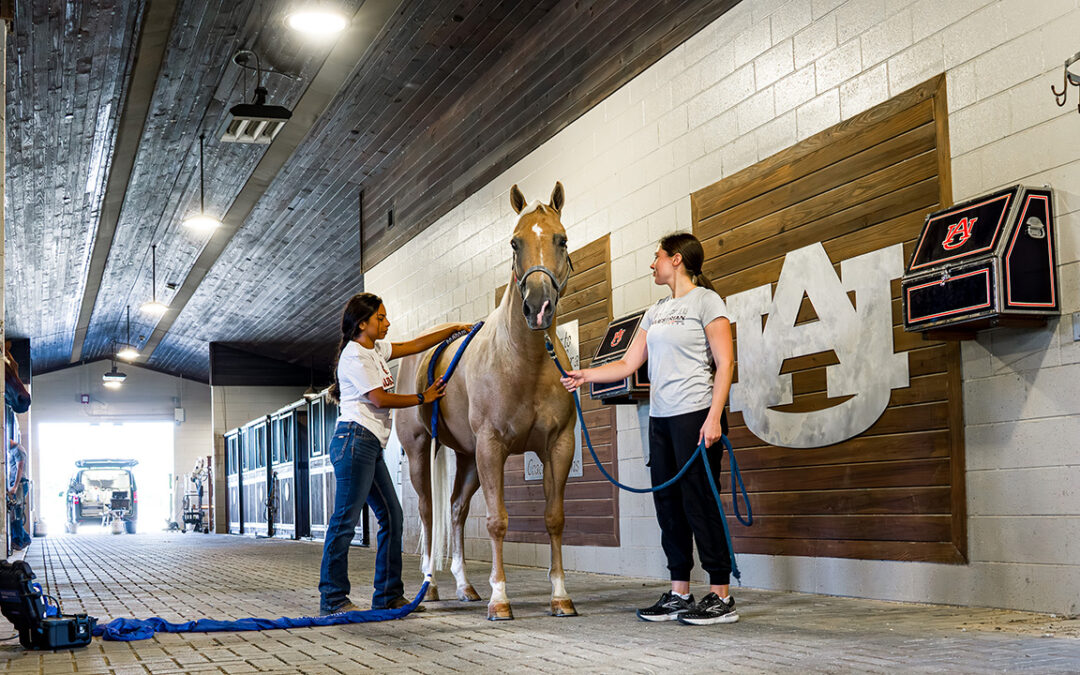

At Auburn University, students are taught to meet a practical world...
Following a national search, Mykel Taylor was named head of the Auburn University Department of Agricultural Economics and Rural Sociology, effective April 15. She had served as interim head of the department since fall 2024. “Dr. Taylor’s effective leadership, along...
Auburn University College of Agriculture student Leah Johnson received a highly competitive collegiate internship with HudsonAlpha, a premier institute for biotechnology. She is the second student from the applied biotechnology major in the Department of Entomology...
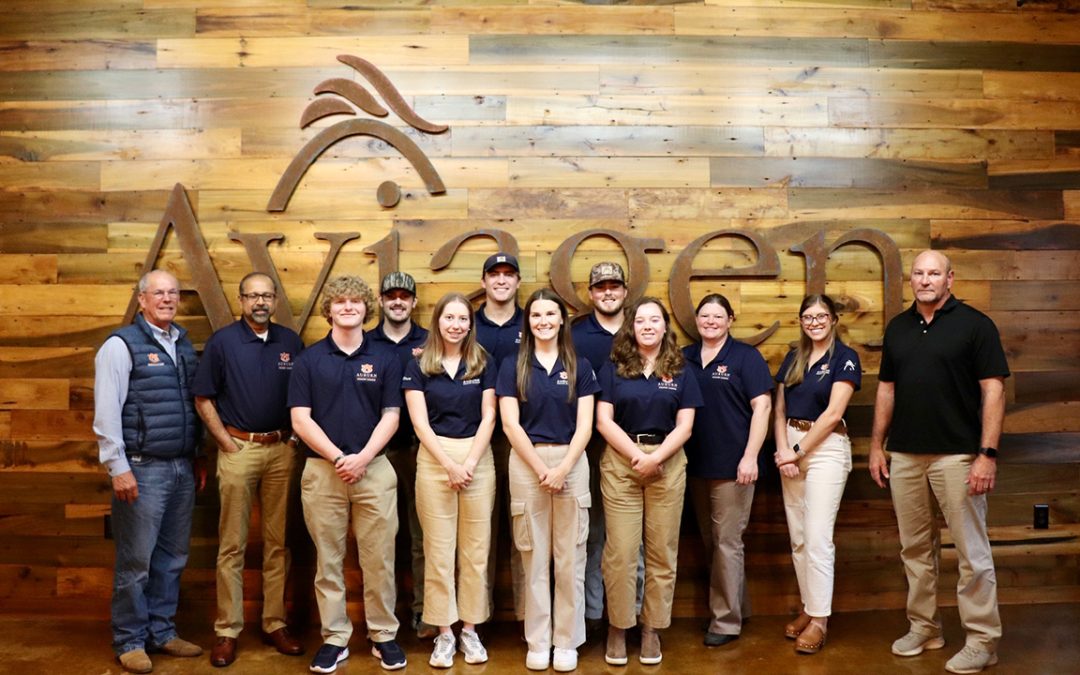
Networking with industry professionals is a crucial step to success for any undergraduate student. It is especially important for students studying poultry science at...

Auburn University Marching Band member Rachel Robinson has one more march to make. The animal sciences (pre-vet) major is the student marshal for the College of...
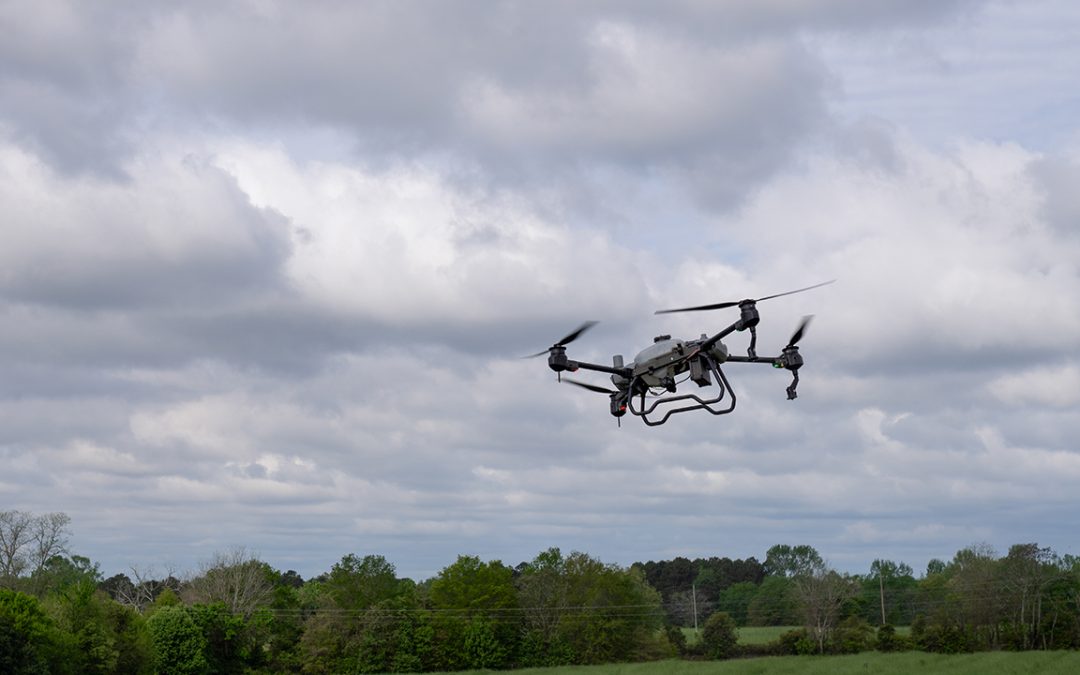
Auburn-developed method could advance efforts to breed a drought-tolerant peanut Auburn University researchers have devised a new means of measuring the physiological...
by MARY CATHERINE GASTON Meet Caixing Xiong, seemingly typical Auburn student. Her favorite building on campus is the Student Rec Center. She loves Auburn football and adores Cam Newton. If you passed her on the Haley Concourse, you’d never know that, in fact, she is...
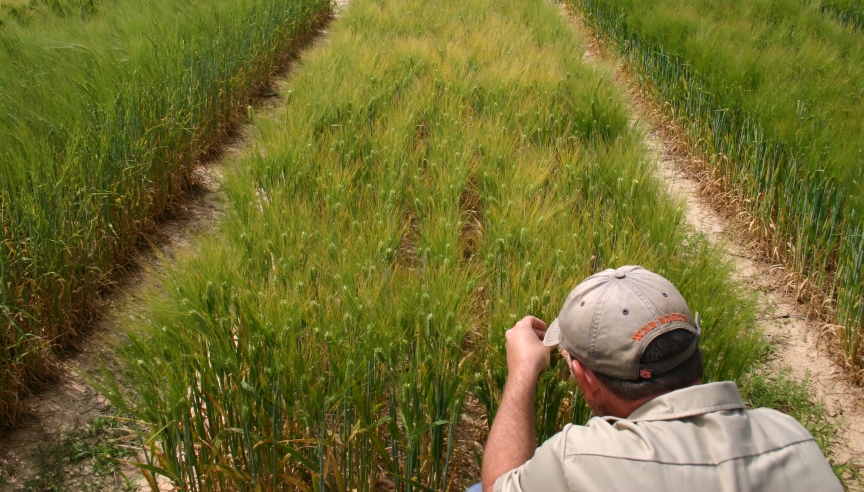
Researchers in Auburn’s College of Agriculture have embarked on a project to offer recommendations for farmers in the state who are interested in adding potential profit-makers to their crop mix.
by PAUL HOLLISA quality replacement heifer is the genetic building block for any cow herd and the key to profitability for cattle producers. But proper development requires many complex management decisions, along with adequate land and facilities.The Sand Mountain...
by DAVID REARDONDavid Weaver, one of the best known and longest tenured professors in Auburn’s College of Agriculture, is practically a walking encyclopedia of agronomy. This is obvious to the students and colleagues who have had the opportunity to ask him a...
A team of Auburn University research entomologists probing the molecular processes that lead to insecticide resistance in mosquitoes has determined that a family of signaling molecules known as G-protein-coupled receptors controls the genes associated with resistance...
A one-day educational program for children and teens who own or have a passion for horses is set for Saturday, Nov. 12, 9 a.m. to 3:15 p.m. in Auburn. Check-in will begin at 8 a.m. at the Stanley P. Wilson Beef Teaching Unit on the Auburn University campus. The fifth...
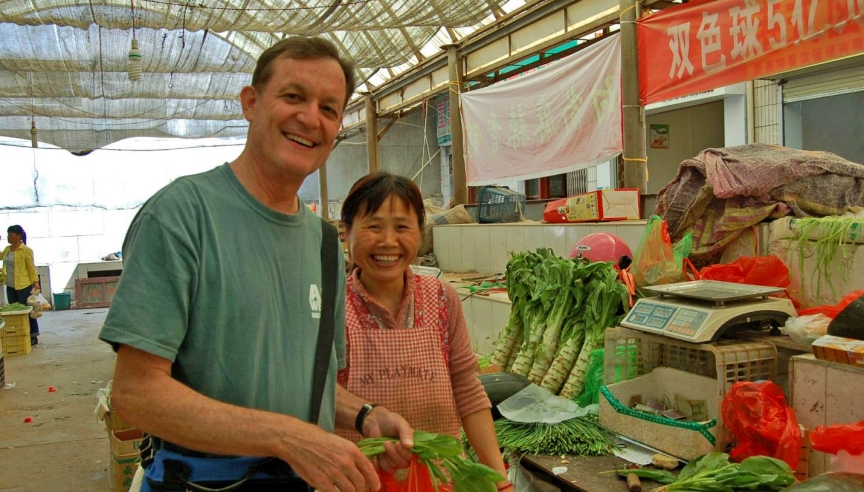
David Weaver and nine Auburn agriculture students spend close to six weeks of their lives immersed in the culture and living among the people of China.
The Season, the official magazine of the Auburn University College of Agriculture, garnered first-place honors this week at the National Agriculture Alumni and Development Association’s awards competition. The award was presented in the magazine competition category...
by PAUL HOLLISAvian influenza—commonly known as bird flu or AIV—has proven to be a serious threat to poultry flocks worldwide, making it all the more important that researchers learn how it spreads to poultry farms.That’s the aim of continuing work by Auburn...
by PAUL HOLLISThe sequencing of the channel catfish genome—considered one of the major milestones in the annals of Auburn University research—has been detailed in an article published in the June 2 issue of Nature Communications, an international multidisciplinary...
Alabama Cooperative Extension SystemAUBURN, Ala.—Golden fields lined rural highways in central and northern parts of the state this spring as producers add canola to crop rotations.Alabama Extension Crop Specialist Dennis Delaney said farmers are incorporating the...
Animal sciences alumna emulates mentor in job at Virginia Tech meat lab by JAMIE CREAMER Jordan Wicks’ eureka moment came one Sunday afternoon in 2008, on a road in Carbondale, Illinois. Wicks, a Southern Illinois University sophomore who had yet to decide on a major,...
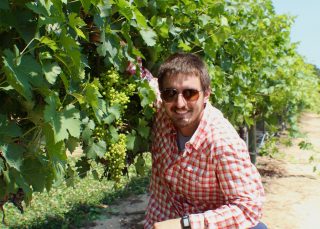
Andrej Svyantek, a master’s student in Auburn’s Department of Horticulture, has been awarded four scholarships totaling $9,500 in recent weeks to support his research on sustainable production of wine grapes in Alabama and the Southeast.
AUBURN, Ala.—Alabama’s largest agricultural industry is seeing construction begin this week on a comprehensive, state-of-the-art research and teaching facility at Auburn University. The university’s Department of Poultry Science and National Poultry Technology Center...
Kizmik McPherson began her undergraduate education at the University of Georgia as a pre-pharmacy major but soon realized the field she was most passionate about was food science. Today, McPherson is finishing up her Master of Science degree in food science in the...
AUBURN, Ala.— Six research projects that aim to encourage and advance academic collaborations between Alabama Agricultural Experiment Station researchers at Auburn University and scientists at Cuban agricultural universities and research centers are underway, funded...
AUBURN, Ala.—The Department of Animal Sciences at Auburn University will host its 2016 Beef Cattle Conference Saturday, Aug. 13, at the Ham Wilson Livestock Arena on the Auburn campus. The conference, themed “Playing above the Curve: Innovations for the Cow-Calf...
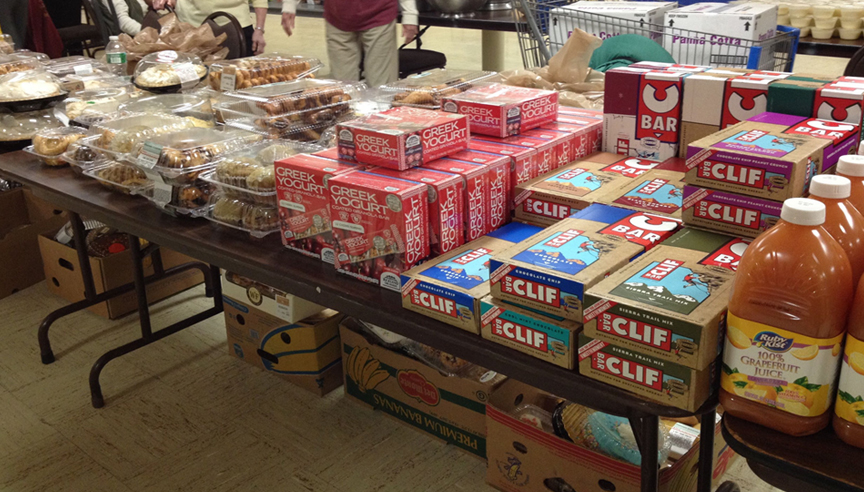
In a new study published in the May 16 issue of the Journal of Public Health, Auburn University and Cornell University researchers found that product placement and packaging had a significant impact on what clients selected in a New York State food pantry.
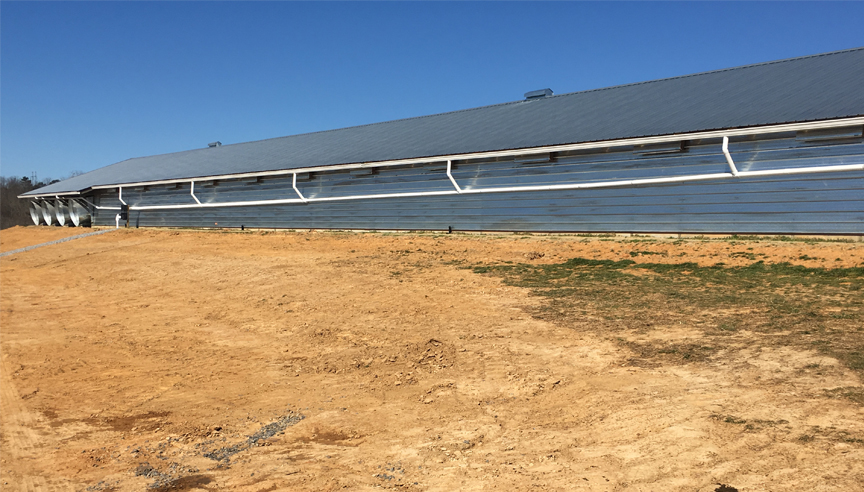
Raising broiler chickens takes water—a lot of water. But rainwater harvesting could substantially reduce Alabama poultry growers’ dependence on municipal water sources or well water, reduce growers’ annual water bill by as much as $16,000 or more, and pay for itself in as few as four to five years.
by RON SMITHThe first major insect we focus on during the cotton production season is thrips. Many have heard and read in recent years about the resistance of thrips to our available seed treatments.Where are we with this issue in Alabama?Just for background, let's...
AUBURN, Ala.—Amy Wright, the Harry G. Ponder Endowed Professor of Horticulture in Auburn University’s Department of Horticulture, will assume the position of interim associate dean for instruction in the College of Agriculture at Auburn effective May 16, Dean Paul...
by MARY CATHERINE GASTON Meet Caixing Xiong, seemingly typical Auburn student. Her favorite building on campus is the Student Rec Center. She loves Auburn football and adores Cam Newton. If you passed her on the Haley Concourse, you’d never know that, in fact, she is...
Researchers in Auburn’s College of Agriculture have embarked on a project to offer recommendations for farmers in the state who are interested in adding potential profit-makers to their crop mix.
by PAUL HOLLISA quality replacement heifer is the genetic building block for any cow herd and the key to profitability for cattle producers. But proper development requires many complex management decisions, along with adequate land and facilities.The Sand Mountain...
by DAVID REARDONDavid Weaver, one of the best known and longest tenured professors in Auburn’s College of Agriculture, is practically a walking encyclopedia of agronomy. This is obvious to the students and colleagues who have had the opportunity to ask him a...
A team of Auburn University research entomologists probing the molecular processes that lead to insecticide resistance in mosquitoes has determined that a family of signaling molecules known as G-protein-coupled receptors controls the genes associated with resistance...
A one-day educational program for children and teens who own or have a passion for horses is set for Saturday, Nov. 12, 9 a.m. to 3:15 p.m. in Auburn. Check-in will begin at 8 a.m. at the Stanley P. Wilson Beef Teaching Unit on the Auburn University campus. The fifth...
David Weaver and nine Auburn agriculture students spend close to six weeks of their lives immersed in the culture and living among the people of China.
The Season, the official magazine of the Auburn University College of Agriculture, garnered first-place honors this week at the National Agriculture Alumni and Development Association’s awards competition. The award was presented in the magazine competition category...
by PAUL HOLLISAvian influenza—commonly known as bird flu or AIV—has proven to be a serious threat to poultry flocks worldwide, making it all the more important that researchers learn how it spreads to poultry farms.That’s the aim of continuing work by Auburn...
by PAUL HOLLISThe sequencing of the channel catfish genome—considered one of the major milestones in the annals of Auburn University research—has been detailed in an article published in the June 2 issue of Nature Communications, an international multidisciplinary...
Alabama Cooperative Extension SystemAUBURN, Ala.—Golden fields lined rural highways in central and northern parts of the state this spring as producers add canola to crop rotations.Alabama Extension Crop Specialist Dennis Delaney said farmers are incorporating the...
Animal sciences alumna emulates mentor in job at Virginia Tech meat lab by JAMIE CREAMER Jordan Wicks’ eureka moment came one Sunday afternoon in 2008, on a road in Carbondale, Illinois. Wicks, a Southern Illinois University sophomore who had yet to decide on a major,...
Andrej Svyantek, a master’s student in Auburn’s Department of Horticulture, has been awarded four scholarships totaling $9,500 in recent weeks to support his research on sustainable production of wine grapes in Alabama and the Southeast.
AUBURN, Ala.—Alabama’s largest agricultural industry is seeing construction begin this week on a comprehensive, state-of-the-art research and teaching facility at Auburn University. The university’s Department of Poultry Science and National Poultry Technology Center...
Kizmik McPherson began her undergraduate education at the University of Georgia as a pre-pharmacy major but soon realized the field she was most passionate about was food science. Today, McPherson is finishing up her Master of Science degree in food science in the...
AUBURN, Ala.— Six research projects that aim to encourage and advance academic collaborations between Alabama Agricultural Experiment Station researchers at Auburn University and scientists at Cuban agricultural universities and research centers are underway, funded...
AUBURN, Ala.—The Department of Animal Sciences at Auburn University will host its 2016 Beef Cattle Conference Saturday, Aug. 13, at the Ham Wilson Livestock Arena on the Auburn campus. The conference, themed “Playing above the Curve: Innovations for the Cow-Calf...
In a new study published in the May 16 issue of the Journal of Public Health, Auburn University and Cornell University researchers found that product placement and packaging had a significant impact on what clients selected in a New York State food pantry.
Raising broiler chickens takes water—a lot of water. But rainwater harvesting could substantially reduce Alabama poultry growers’ dependence on municipal water sources or well water, reduce growers’ annual water bill by as much as $16,000 or more, and pay for itself in as few as four to five years.
by RON SMITHThe first major insect we focus on during the cotton production season is thrips. Many have heard and read in recent years about the resistance of thrips to our available seed treatments.Where are we with this issue in Alabama?Just for background, let's...
AUBURN, Ala.—Amy Wright, the Harry G. Ponder Endowed Professor of Horticulture in Auburn University’s Department of Horticulture, will assume the position of interim associate dean for instruction in the College of Agriculture at Auburn effective May 16, Dean Paul...