Next month, honeybee enthusiasts are invited to attend the 31st...


Next month, honeybee enthusiasts are invited to attend the 31st...
The Road Back: Leanne Dillard shares her agriculture story By Justin Miller A desire to work in agriculture is something that many people have from an early age. But the story of Leanne Dillard is quite different. Early in her life, she wanted nothing to do with...
A seasoned academic and agriculturalist will share a land-grant perspective at the E.T. York Distinguished Lecturer Series at 4 p.m. Oct. 4 in the Ralph Brown Draughon Library Mell Classroom Building room 3510. Walter Hill is professor and vice provost at Tuskegee...
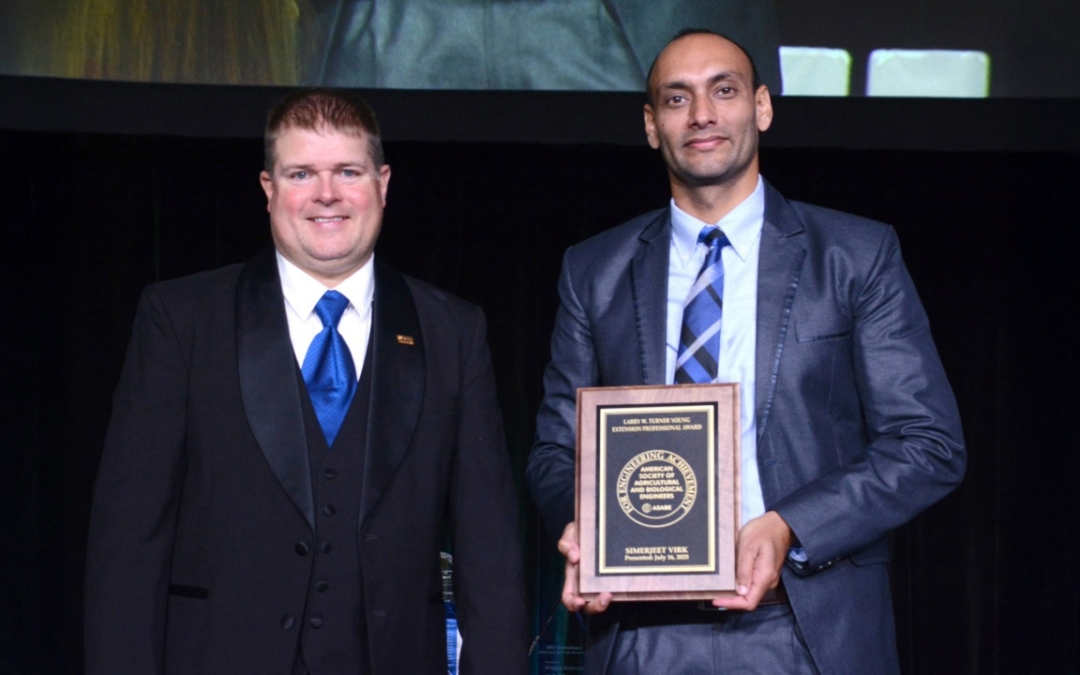
Auburn University’s Biosystems Engineering faculty and students garnered high honors and awards recognition through a prestigious international organization.
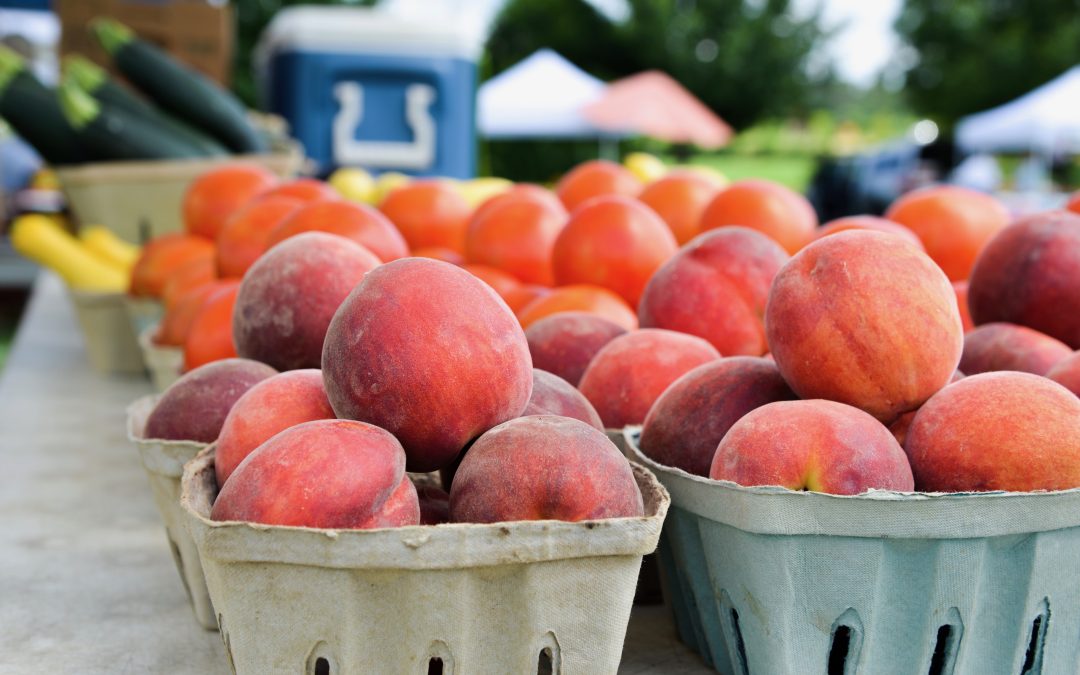
Auburn University’s only farmers’ market returns to campus on Thursday, May 23…
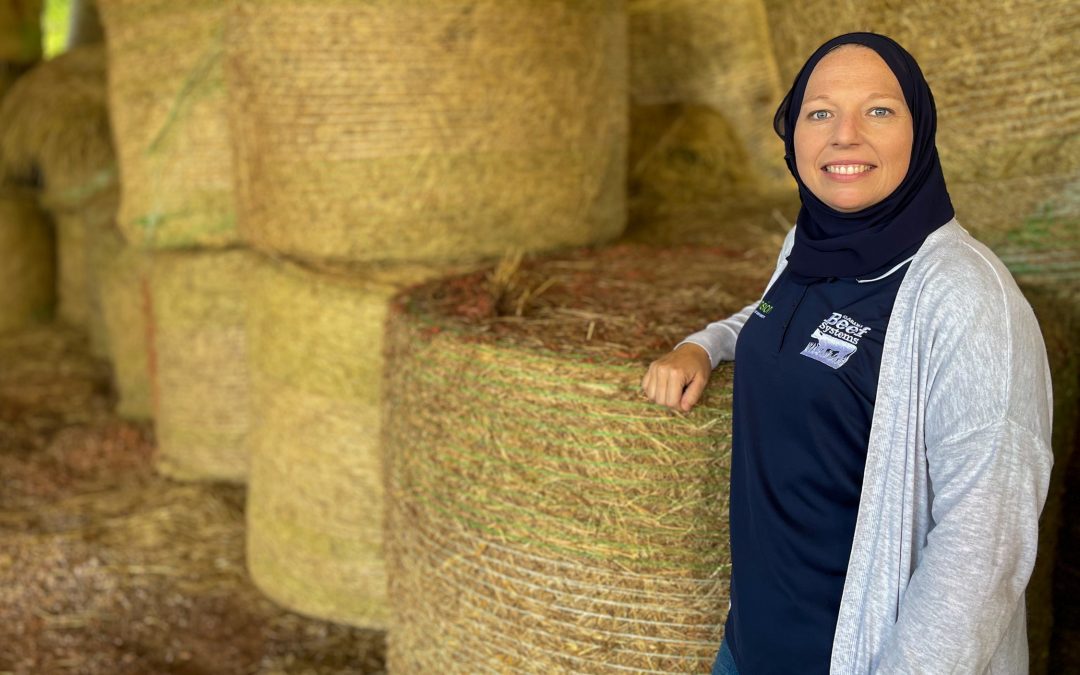
The Road Back: Leanne Dillard shares her agriculture story By Justin Miller A desire to work in agriculture is something that many people have from an early age. But...
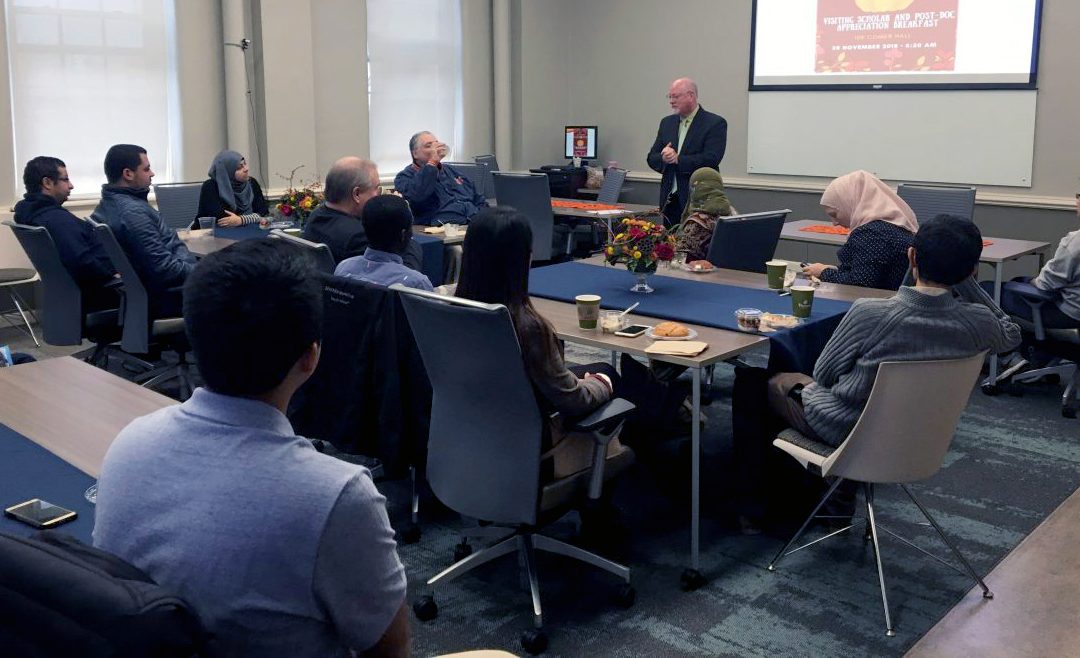
The College of Agriculture held its inaugural “ThanksforGiving to AU research” breakfast on Nov. 20 to recognize visiting scholars and postdoctoral researchers and their contributions to the college.
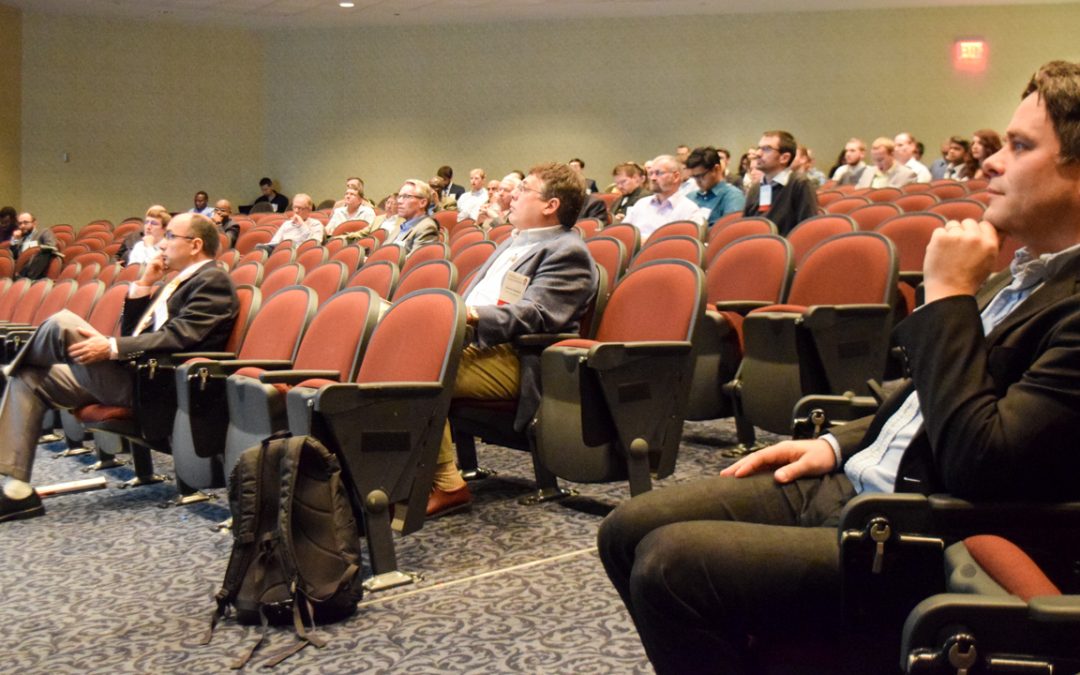
A University of California, Berkeley, economist will discuss the risks versus the benefits of genetically modifying foods and crops when he presents the Fall 2018 E.T. York Distinguished Lecture Monday, Oct. 22, at 4 p.m. on the Auburn University campus.
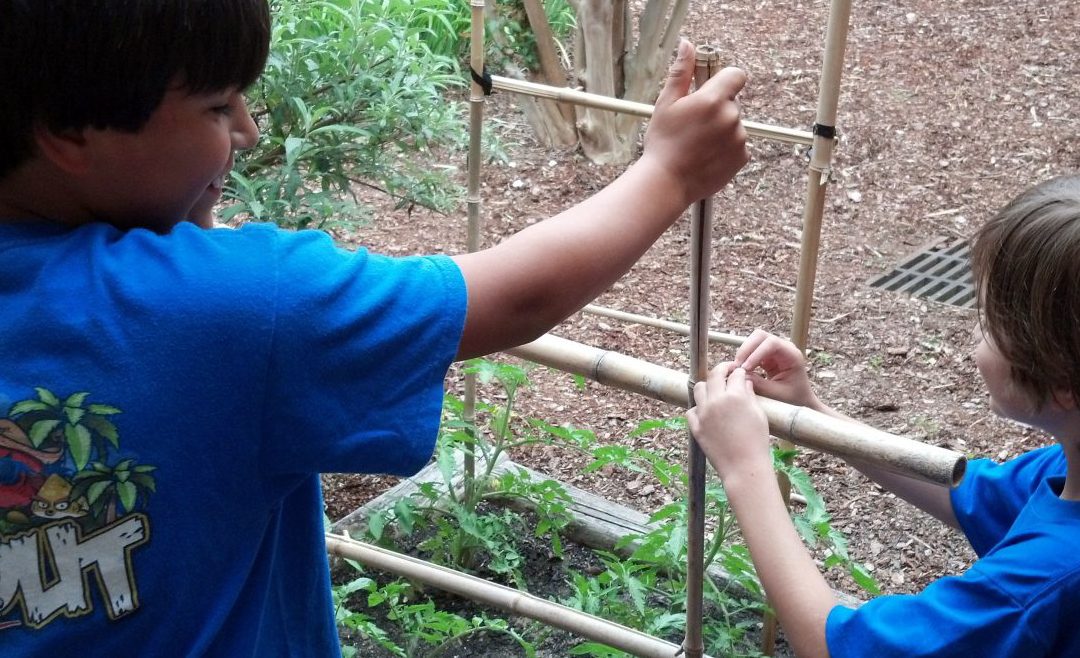
The College of Agriculture’s Department of Horticulture is giving back to the community by helping educate Opelika elementary students on gardening practices and at the same time addressing food insecurity in impoverished Opelika communities.
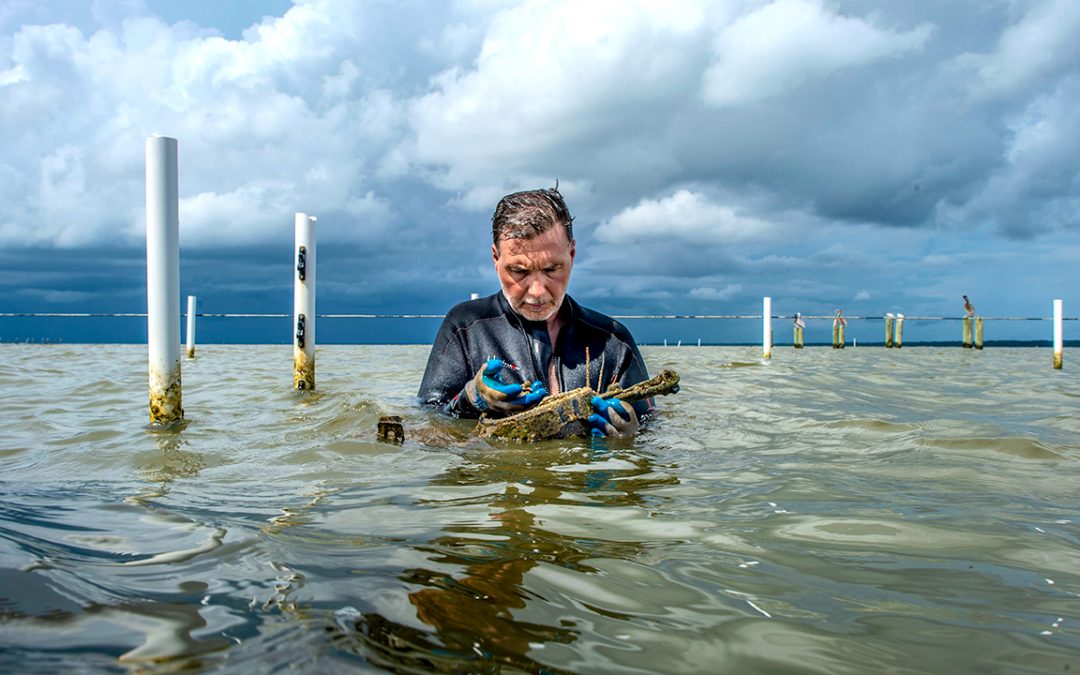
Auburn University marine scientist Bill Walton, one of the driving forces behind the Gulf Coast’s up-and-coming off-bottom oyster-farming industry, has landed a $456,646 federal grant to help ensure that farmed oysters bound for the premium half-shell market are as safe as possible for human consumption.

J. Mike Phillips, head of the Department of Plant and Soil Sciences at Mississippi State University, will join Auburn University Aug. 15 as associate dean for Extension in the College of Agriculture and assistant director for agriculture, forestry and natural resource Extension programs.
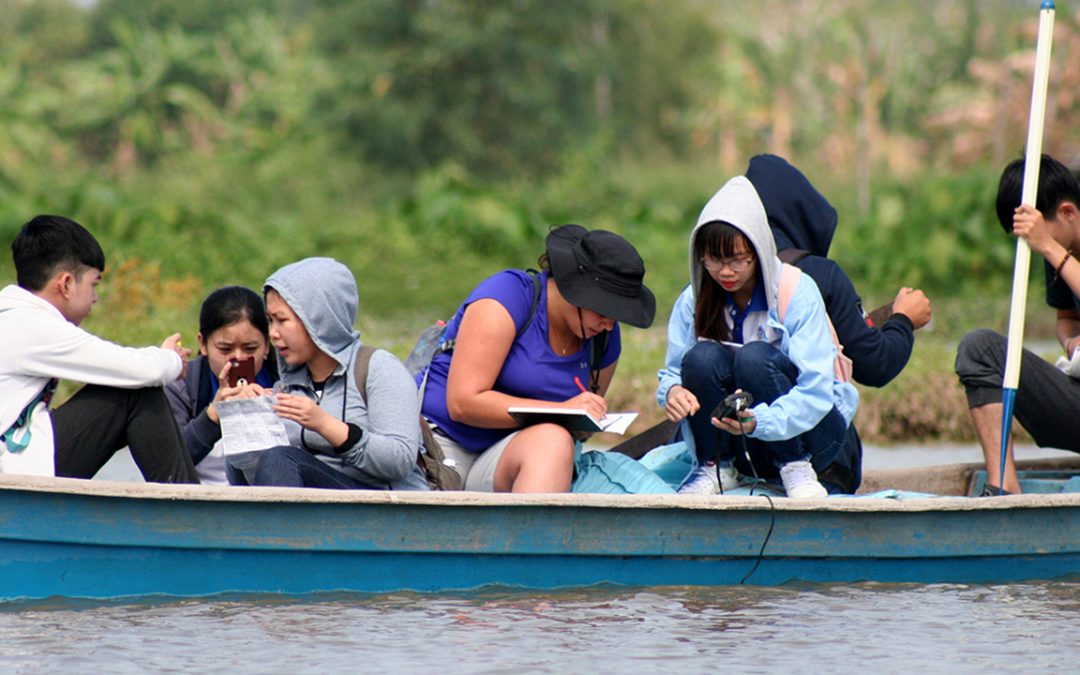
Ideal may not be the first word that comes to mind when one considers Vietnam as a destination, but that’s how School of Fisheries, Aquaculture and Aquatic Sciences associate professor Bill Daniels describes the locale for the study abroad version of his Auburn aquaculture production course.
The Market at Ag Heritage Park will kick off its 14th season on the Auburn University campus Thursday, May 3, at 3 p.m. and will continue every Thursday, 3-6 p.m., through Aug. 30. Sponsored by Auburn’s College of Agriculture, the outdoor farmers market is located...
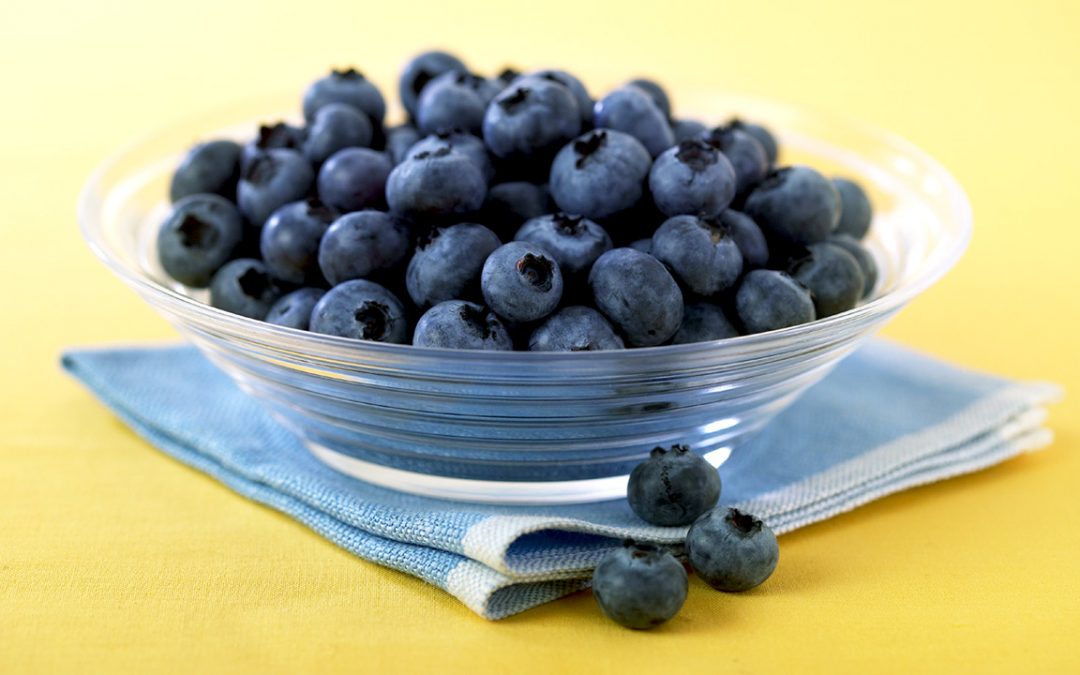
In a move aimed at advancing and promoting Alabama’s berry and grape industries, Auburn University has joined the multistate Southern Region Small Fruit Consortium, a collaborative initiative that brings together producers, researchers and extension specialists to strengthen the South’s small-fruit industries.
The Alabama Cooperative Extension System will hold a series of Alabama Agriculture Outlook meetings across the state in December and January. The Farm and Agribusiness Management team will update farmers, producers and agribusiness owners on the current agricultural situation in the state, as well as expectations for 2018.
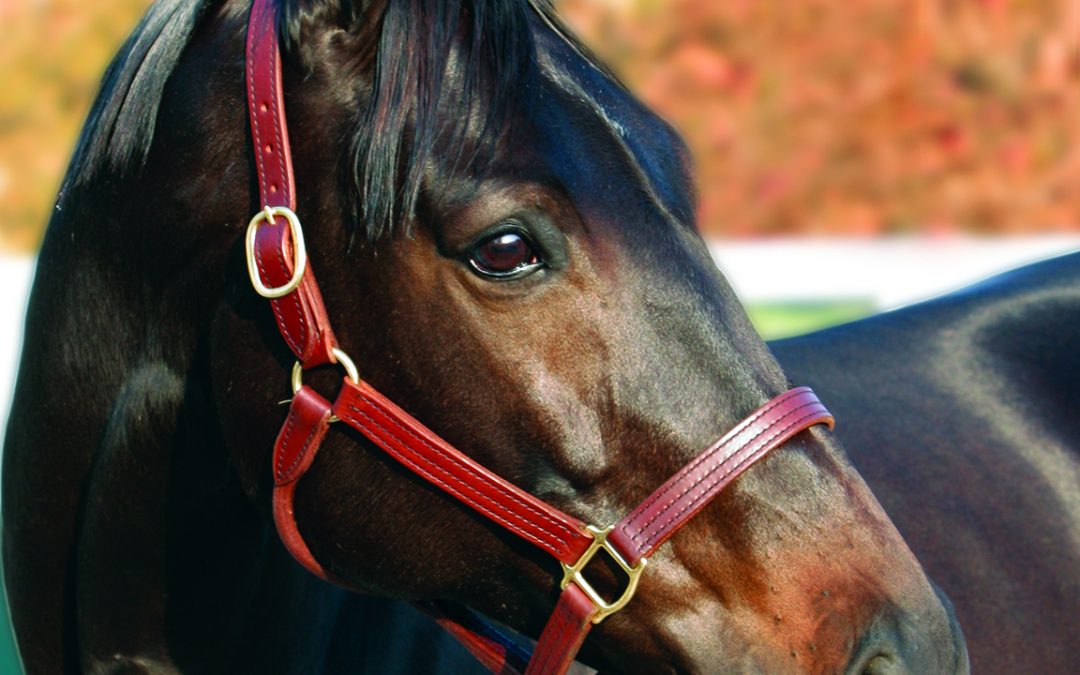
Horses which have been used heavily all summer, but will be used sparingly during fall and winter need to be properly conditioned for this change. Horses at maintenance or doing light work have reduced energy requirements from hard working horses, and there is no need...
The College of Agriculture held its inaugural “ThanksforGiving to AU research” breakfast on Nov. 20 to recognize visiting scholars and postdoctoral researchers and their contributions to the college.
A University of California, Berkeley, economist will discuss the risks versus the benefits of genetically modifying foods and crops when he presents the Fall 2018 E.T. York Distinguished Lecture Monday, Oct. 22, at 4 p.m. on the Auburn University campus.
The College of Agriculture’s Department of Horticulture is giving back to the community by helping educate Opelika elementary students on gardening practices and at the same time addressing food insecurity in impoverished Opelika communities.
Auburn University marine scientist Bill Walton, one of the driving forces behind the Gulf Coast’s up-and-coming off-bottom oyster-farming industry, has landed a $456,646 federal grant to help ensure that farmed oysters bound for the premium half-shell market are as safe as possible for human consumption.
J. Mike Phillips, head of the Department of Plant and Soil Sciences at Mississippi State University, will join Auburn University Aug. 15 as associate dean for Extension in the College of Agriculture and assistant director for agriculture, forestry and natural resource Extension programs.
Ideal may not be the first word that comes to mind when one considers Vietnam as a destination, but that’s how School of Fisheries, Aquaculture and Aquatic Sciences associate professor Bill Daniels describes the locale for the study abroad version of his Auburn aquaculture production course.
The Market at Ag Heritage Park will kick off its 14th season on the Auburn University campus Thursday, May 3, at 3 p.m. and will continue every Thursday, 3-6 p.m., through Aug. 30. Sponsored by Auburn’s College of Agriculture, the outdoor farmers market is located...
In a move aimed at advancing and promoting Alabama’s berry and grape industries, Auburn University has joined the multistate Southern Region Small Fruit Consortium, a collaborative initiative that brings together producers, researchers and extension specialists to strengthen the South’s small-fruit industries.
The Alabama Cooperative Extension System will hold a series of Alabama Agriculture Outlook meetings across the state in December and January. The Farm and Agribusiness Management team will update farmers, producers and agribusiness owners on the current agricultural situation in the state, as well as expectations for 2018.
Horses which have been used heavily all summer, but will be used sparingly during fall and winter need to be properly conditioned for this change. Horses at maintenance or doing light work have reduced energy requirements from hard working horses, and there is no need...