From seed selection to pesticide application, farmers work...
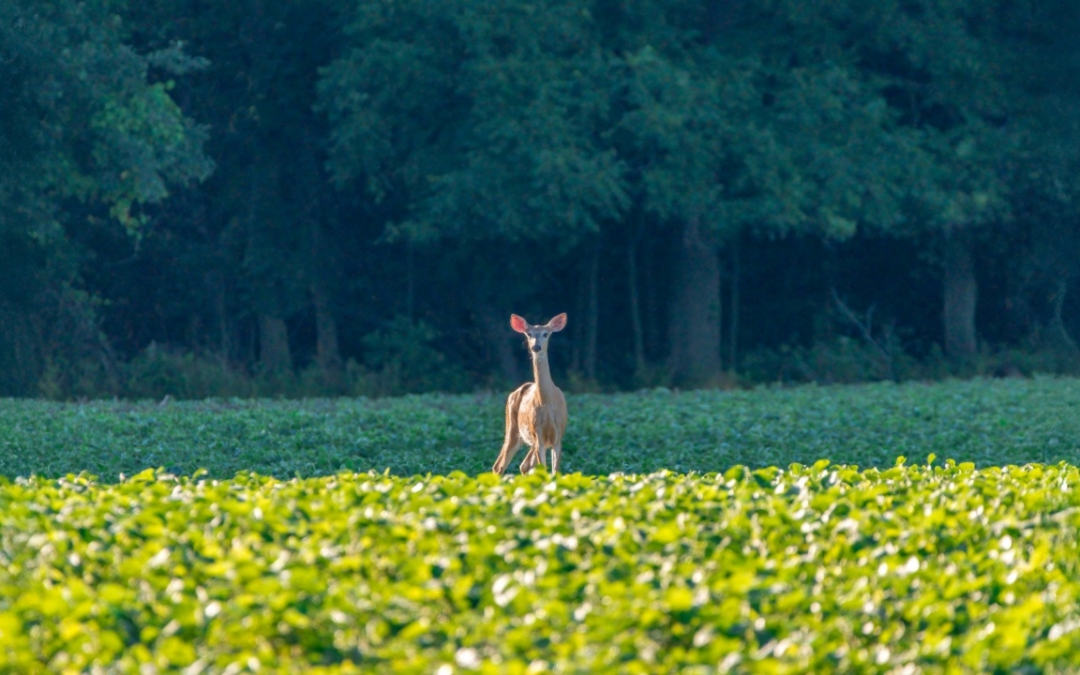

From seed selection to pesticide application, farmers work...
Better breeding ability would make catfish farming more efficient and profitable The $437 million U.S. catfish industry is in need of better genetic and breeding technologies to be competitive with foreign imports. Recently, Auburn scientists have made advances in...
Is growing a cover crop on Alabama farms a solution or a problem for growers in the state who are trying to prevent soil and water erosion losses? A grant funded through the Alabama Agricultural Experiment Station research program for the current fiscal year will...

As a project manager with Auburn’s Water Resource Center, Cooley manages watershed restoration projects and educates communities on how to care for rivers, streams and creeks.
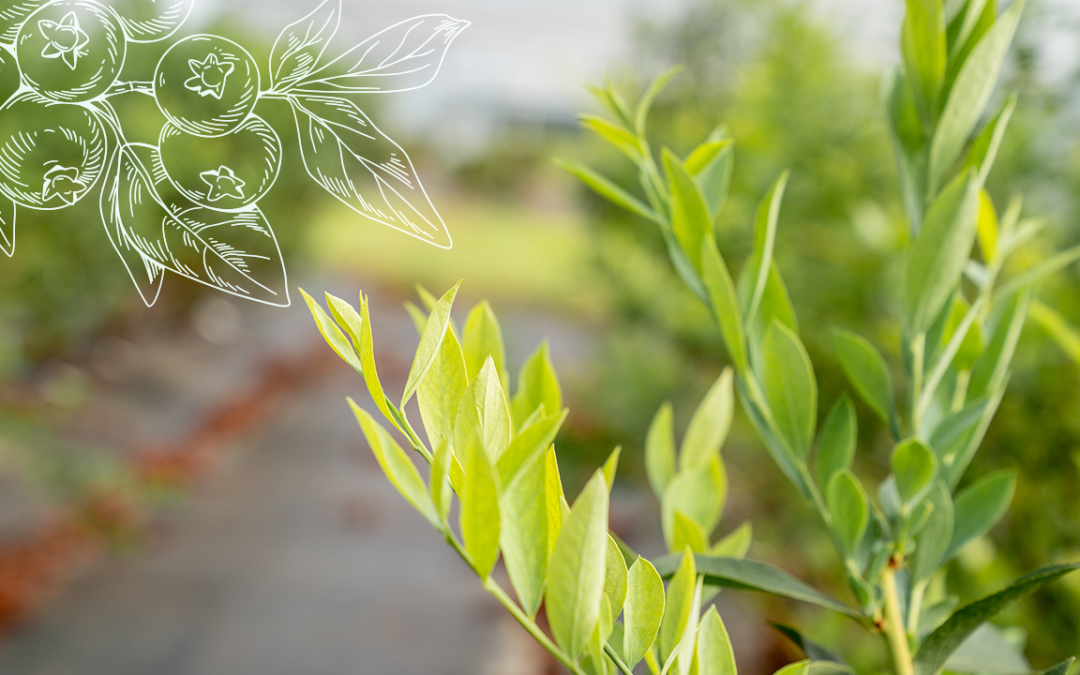
Blueberries, a superfood rich in antioxidants, vitamins, and essential nutrients, are widely celebrated during July for National Blueberry Month. Recognizing the potential within these small yet mighty fruits, researchers at Auburn University work to promote the positive health benefits of blueberries.
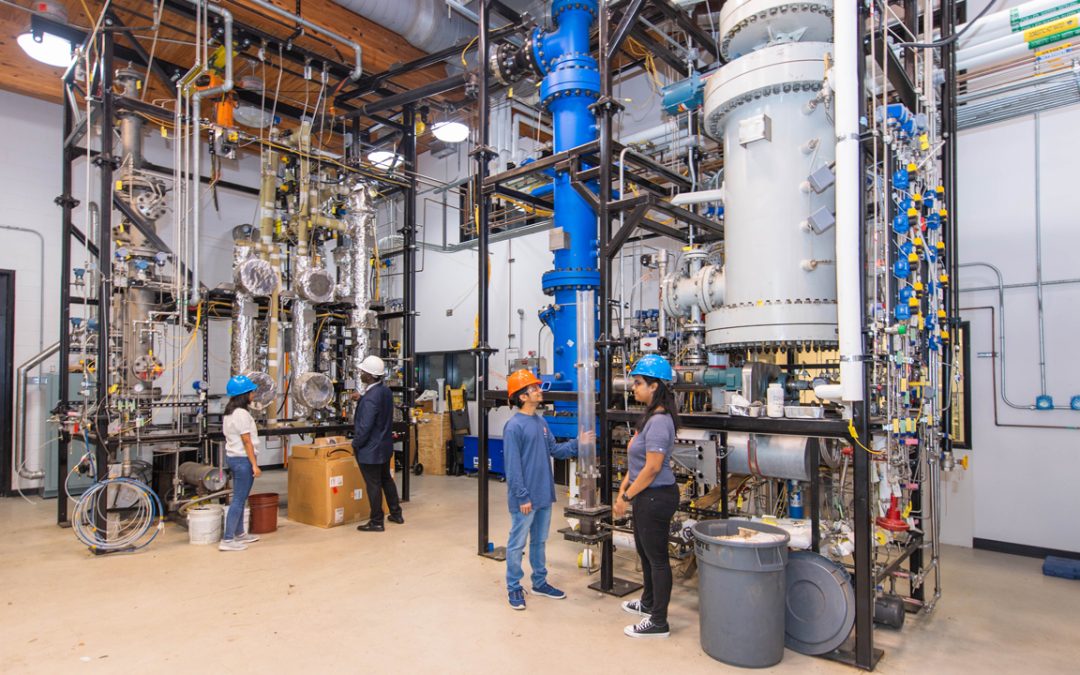
For researchers studying environmentally friendly farming practices, biochar is a game-changer.
Biochar, a charcoal-like substance created by heating plant waste, is a groundbreaking innovation in the field of sustainable farming. It is beneficial for improving soil quality, recycling organic plant material and capturing greenhouse gas emissions from the agricultural industry.
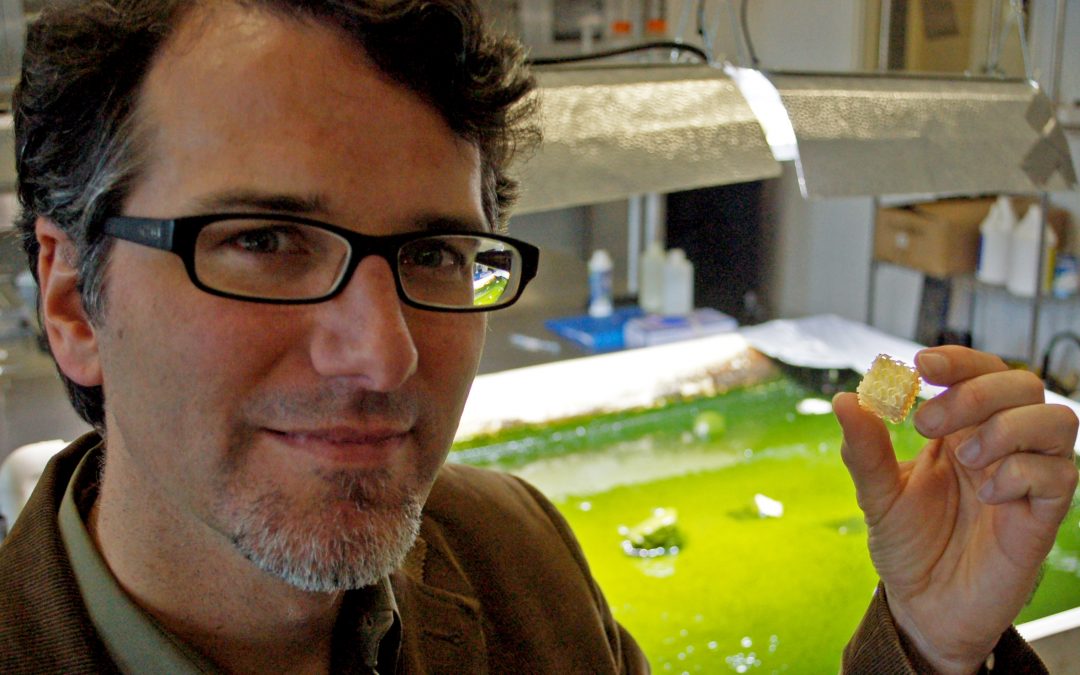
Biosystems engineering professor David Blersch is studying how 3D printing can improve efficiency and increase productivity of algae cultivation.
AUBURN, Ala.— Sushil Adhikari, an associate professor in the Department of Biosystems Engineering and an Alabama Agricultural Experiment Station (AAES) researcher, has been recognized by Thomson Reuters as one of the world’s most influential minds. In a report titled...
by MARY CATHERINE GASTON artwork by ASHLEY WISKIRCHEN If you've ever driven past the E.V. Smith Research Center near Tallassee on your way to an Auburn football game, you may have wondered what exactly the Alabama Agricultural Experiment Station is. Made up of 15...
AUBURN, Ala. – Auburn University professor, researcher and Extension specialist Dale Monks has been named director of research operations for outlying units of the Alabama Agricultural Experiment Station, Dean and Director Bill Batchelor has announced. The appointment...
AUBURN, Ala.— Auburn University College of Agriculture associate professor and Extension specialist Stephen Enloe, along with Nancy Loewenstein, School of Forestry and Wildlife Sciences research fellow, published a new study that reports significant progress in the...
The following story appears in the 2014 Auburn-South Carolina edition of Tailgate Times, an app-based publication of the Auburn University Food Systems Institute. Tailgate Times is published prior to each Auburn home football game. Download the app here and read more...
Glyphosate-Resistant Weeds Taking Root in Alabama Fields by NATHAN KELLY It’s becoming an all-too-common occurrence in Alabama agriculture: another weed added to the list of aggressive, undesirable weeds that can hold their own against the broad-spectrum herbicide...
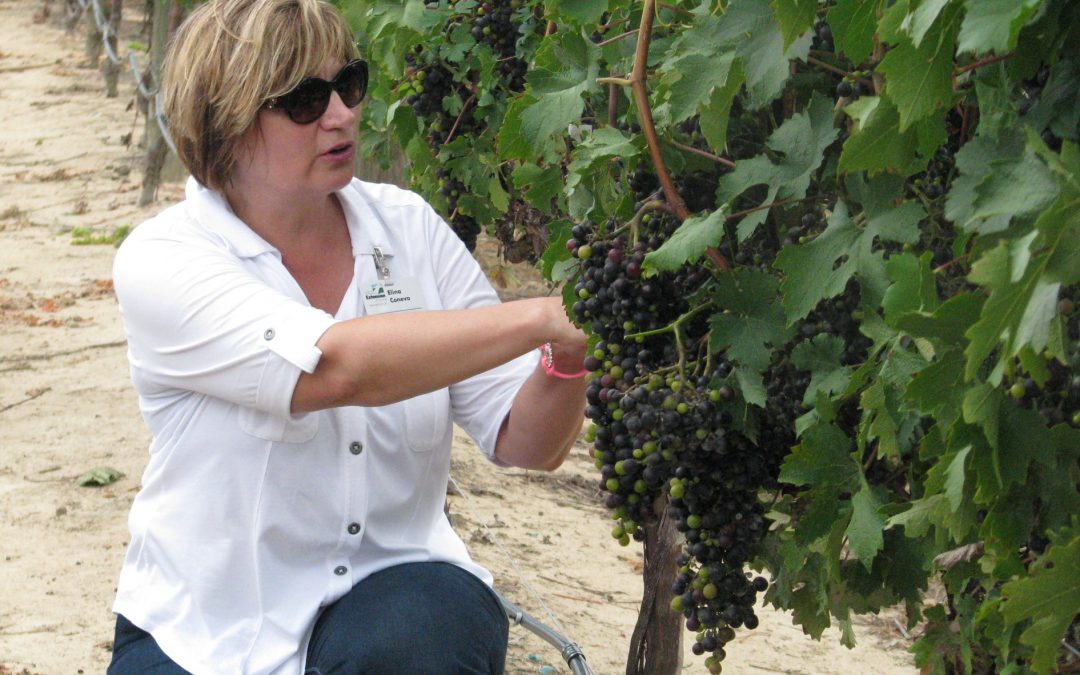
An Auburn horticulture professor’s research aims to boost Alabama’s wine industry by stamping out disease.
AUBURN, Ala. —Drones may be controversial for use in military and national security matters, but the unmanned aerial vehicles are poised to revolutionize agriculture, and those who attend the 2014 Ag Discovery Adventure Saturday, Sept. 13, at Auburn University’s E.V....
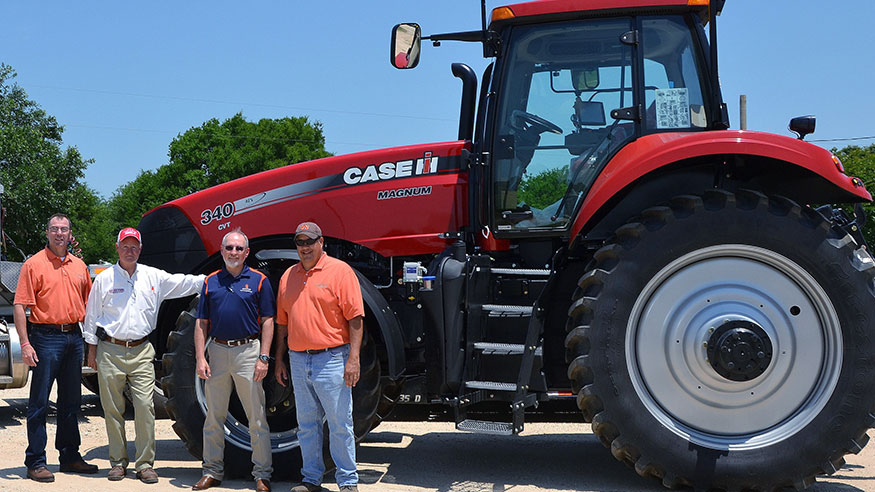
Auburn researchers will be plowing on the cutting edge thanks to a special deal brought about by alumnus and long-time supporter Donnie Sanders.
by MARY CATHERINE GASTON In a nondescript building on the Auburn University campus, an Alabama Agricultural Experiment Station researcher is transforming the ordinary into the extraordinary in a study that could have huge implications here at home and around the...
Auburn scientists use laying hens to study uterine fibroids by JAMIE CREAMER An estimated 70 percent of women in the U.S. develop fibroid tumors in the uterus by age 50, and while the noncancerous tumors cause no symptoms for the majority of those women, they make...
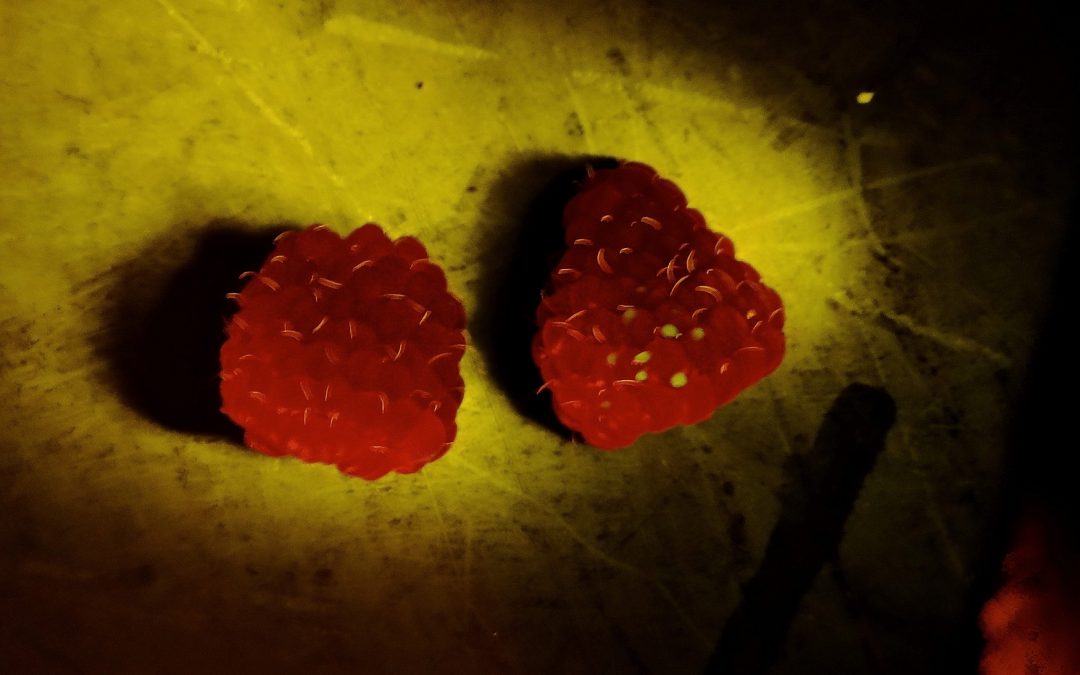
A simple, economical tool that could be used to detect and identify harmful bacteria on food products in minutes instead of days is in the works.
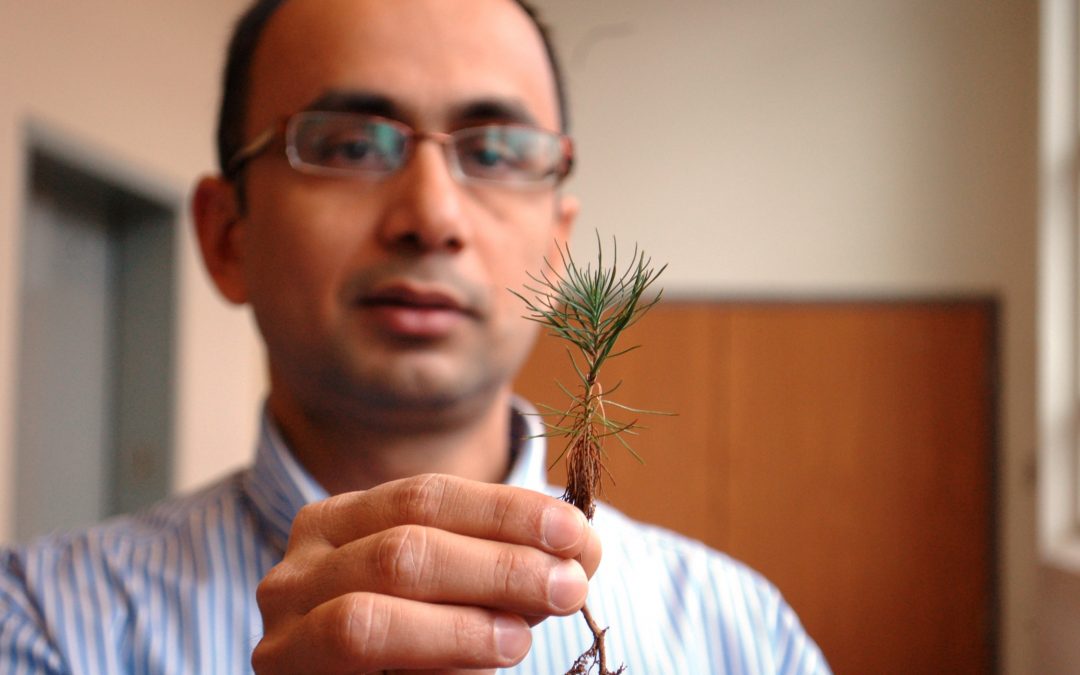
Through a process known as gasification, Sushil Adhikari is converting pine trees into a gas that can be used to produce gasoline and other liquid fuels.
AUBURN, Ala.—Paul Mask, a 31-year veteran of the Alabama Cooperative Extension System, has been named assistant director for agriculture, forestry and natural resources programs and assistant dean for Extension at Auburn University, effective, Jan. 1, 2014, College of...
AUBURN, Ala.—Fifteen Auburn University College of Agriculture/Alabama Agricultural Experiment Station scientists who collectively brought in more than $5.84 million in extramural research funding in 2013 were among the more than two dozen faculty and staff members...
AUBURN, Ala.—After more than a decade of research into an increasingly common and costly broiler condition known as green muscle disease, a team of poultry scientists at Auburn University has identified a blood enzyme that could give breeders a noninvasive tool to...
AUBURN, Ala.—A wearable computer described as “a smartphone for your face” has the potential to help row-crop farmers operate more efficiently and profitably, two Alabama Agricultural Experiment Station researchers at Auburn University say. Greg Pate and John Fulton...
by JAMIE CREAMER Two key research breakthroughs at Auburn University over the summer could prove valuable weapons in the frustrating battle against the rapidly spreading, crop-destroying kudzu bug, and both are in the form of native insects that prey on the invasive...
AUBURN, Ala.—The public can get an up-close look at agriculture in the 21st century Saturday, Sept. 28, when the Auburn University College of Agriculture, the Alabama Cooperative Extension System and the Alabama Agricultural Experiment Station present the second...
AUBURN, Ala.—An Auburn University initiative established through the Alabama Agricultural Experiment Station in 2011 to promote interdisciplinary research aimed at improving the nation’s food system has achieved “institute” status. The Auburn University Food Systems...
Biosystems engineering professor David Blersch is studying how 3D printing can improve efficiency and increase productivity of algae cultivation.
AUBURN, Ala.— Sushil Adhikari, an associate professor in the Department of Biosystems Engineering and an Alabama Agricultural Experiment Station (AAES) researcher, has been recognized by Thomson Reuters as one of the world’s most influential minds. In a report titled...
by MARY CATHERINE GASTON artwork by ASHLEY WISKIRCHEN If you've ever driven past the E.V. Smith Research Center near Tallassee on your way to an Auburn football game, you may have wondered what exactly the Alabama Agricultural Experiment Station is. Made up of 15...
AUBURN, Ala. – Auburn University professor, researcher and Extension specialist Dale Monks has been named director of research operations for outlying units of the Alabama Agricultural Experiment Station, Dean and Director Bill Batchelor has announced. The appointment...
AUBURN, Ala.— Auburn University College of Agriculture associate professor and Extension specialist Stephen Enloe, along with Nancy Loewenstein, School of Forestry and Wildlife Sciences research fellow, published a new study that reports significant progress in the...
The following story appears in the 2014 Auburn-South Carolina edition of Tailgate Times, an app-based publication of the Auburn University Food Systems Institute. Tailgate Times is published prior to each Auburn home football game. Download the app here and read more...
Glyphosate-Resistant Weeds Taking Root in Alabama Fields by NATHAN KELLY It’s becoming an all-too-common occurrence in Alabama agriculture: another weed added to the list of aggressive, undesirable weeds that can hold their own against the broad-spectrum herbicide...
An Auburn horticulture professor’s research aims to boost Alabama’s wine industry by stamping out disease.
AUBURN, Ala. —Drones may be controversial for use in military and national security matters, but the unmanned aerial vehicles are poised to revolutionize agriculture, and those who attend the 2014 Ag Discovery Adventure Saturday, Sept. 13, at Auburn University’s E.V....
Auburn researchers will be plowing on the cutting edge thanks to a special deal brought about by alumnus and long-time supporter Donnie Sanders.
by MARY CATHERINE GASTON In a nondescript building on the Auburn University campus, an Alabama Agricultural Experiment Station researcher is transforming the ordinary into the extraordinary in a study that could have huge implications here at home and around the...
Auburn scientists use laying hens to study uterine fibroids by JAMIE CREAMER An estimated 70 percent of women in the U.S. develop fibroid tumors in the uterus by age 50, and while the noncancerous tumors cause no symptoms for the majority of those women, they make...
A simple, economical tool that could be used to detect and identify harmful bacteria on food products in minutes instead of days is in the works.
Through a process known as gasification, Sushil Adhikari is converting pine trees into a gas that can be used to produce gasoline and other liquid fuels.
AUBURN, Ala.—Paul Mask, a 31-year veteran of the Alabama Cooperative Extension System, has been named assistant director for agriculture, forestry and natural resources programs and assistant dean for Extension at Auburn University, effective, Jan. 1, 2014, College of...
AUBURN, Ala.—Fifteen Auburn University College of Agriculture/Alabama Agricultural Experiment Station scientists who collectively brought in more than $5.84 million in extramural research funding in 2013 were among the more than two dozen faculty and staff members...
AUBURN, Ala.—After more than a decade of research into an increasingly common and costly broiler condition known as green muscle disease, a team of poultry scientists at Auburn University has identified a blood enzyme that could give breeders a noninvasive tool to...
AUBURN, Ala.—A wearable computer described as “a smartphone for your face” has the potential to help row-crop farmers operate more efficiently and profitably, two Alabama Agricultural Experiment Station researchers at Auburn University say. Greg Pate and John Fulton...
by JAMIE CREAMER Two key research breakthroughs at Auburn University over the summer could prove valuable weapons in the frustrating battle against the rapidly spreading, crop-destroying kudzu bug, and both are in the form of native insects that prey on the invasive...
AUBURN, Ala.—The public can get an up-close look at agriculture in the 21st century Saturday, Sept. 28, when the Auburn University College of Agriculture, the Alabama Cooperative Extension System and the Alabama Agricultural Experiment Station present the second...
AUBURN, Ala.—An Auburn University initiative established through the Alabama Agricultural Experiment Station in 2011 to promote interdisciplinary research aimed at improving the nation’s food system has achieved “institute” status. The Auburn University Food Systems...