The Auburn University Water Resources Center (AUWRC) and Auburn University College of Sciences and Mathematics (COSAM) were recently awarded an Environmental Literacy for Community Resilience grant from the National Academy of Science’s Gulf Research Program.
The project — Co-Designing Resiliency: From Monitoring to Making Change with Citizen Science Water Data — focuses on Alabama Water Watch (AWW), AUWRC’s nationally recognized citizen science program. Financially, the project ranked as the largest of six Gulf Research Program awards in the region, supported by nearly $740,000.
“I am excited to get this project underway with the help of impactful partnerships and community involvement,” said Alabama Water Watch Director, Mona Dominguez.
AUWRC is a premier institution for watershed education, outreach, and research. It is part of the Alabama Agricultural Experiment Station and Alabama Extension. Through these partnerships, research and outreach turn into meaningful action.
The project aims to empower citizen scientists, researchers and other essential partners. Together, they will co‑design and implement practical solutions to local water quality issues that threaten community and environmental health.
Thanks to its volunteers, AWW has built an extensive dataset over the past 30 years. Thousands of dedicated citizen scientists contributed by monitoring water chemistry, bacteriological conditions and biological health in Alabama’s streams, rivers, lakes and bays.
AWW follows EPA‑approved quality assurance plans to ensure data credibility. As a result, organizations including the Alabama Department of Environmental Management (ADEM), municipalities, and universities rely on AWW datasets to achieve their goals.
Over the last few decades, AWW has trained approximately 9,000 citizen scientists to collect water data. In fact, water watch data collection was instrumental in regulatory changes for some of Alabama’s most prestigious water bodies.
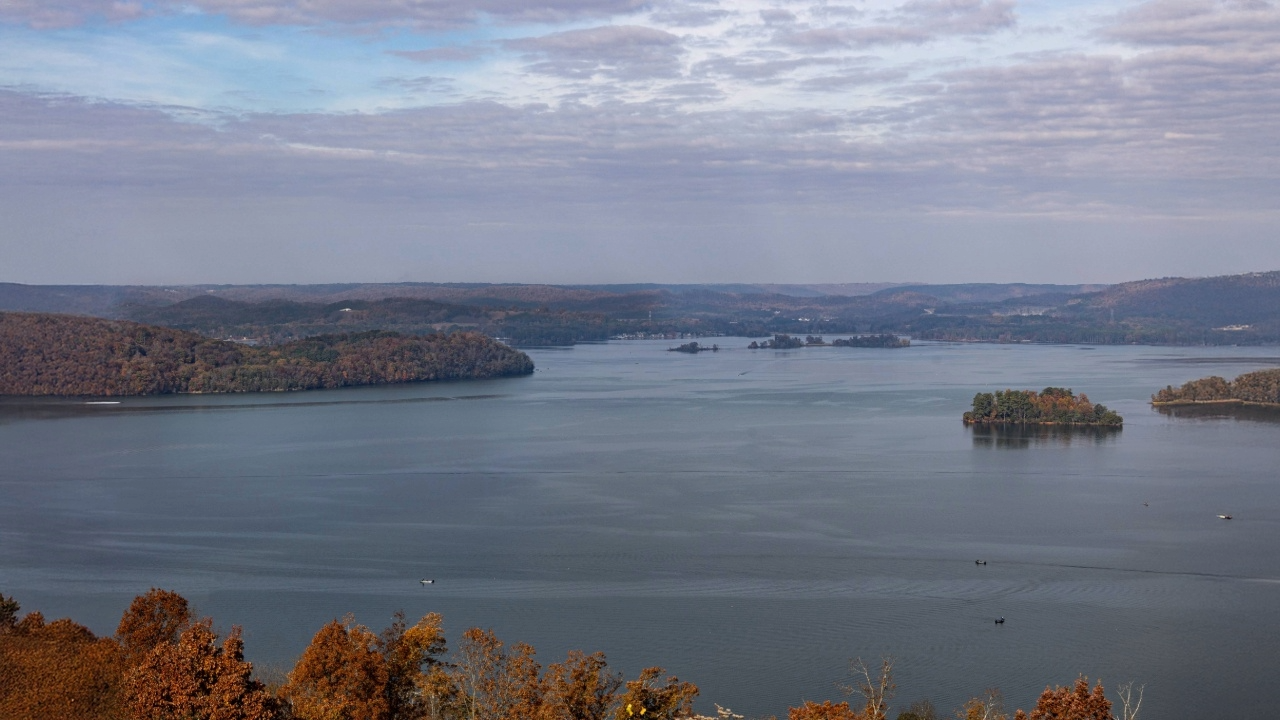
With great reach, AWW extends its impact all over Alabama. Its datasets guide policy decisions that classified Wolf Bay and the Magnolia River as “Outstanding Alabama Waters.” In fact, its reach designated Lake Martin as the sole “Alabama Treasured Lake.”
Over time, AWW has offered data interpretation presentations and released waterbody reports. In addition, it created online water data tools so citizens can better understand and apply their data to protect water quality.
Seeing the need to better utilize the current AWW data, the group saw this project as an opportunity to advance the program for now and the future.
“We feel strongly that this wealth of water quality data remains underutilized, which is resulting in missed opportunities to protect and restore Alabama’s watersheds,” Dominguez said.
The project brings in faculty expertise from COSAM’s Department of Geosciences including professor Karen McNeal and professor Chandana Mitra. Both researchers are co-investigators on the grant and play key roles in strengthening the program’s data, technology and community-engagement components.
In Spring 2025, Dominguez discovered the AU Solves hackathon spearheaded by COSAM faculty Mitra and McNeal. From that connection, the initiative offered faculty a unique opportunity to tackle real-world problems with focused research.
Dominguez said she immediately recognized the applicability of the AU Solves model to collaborative solutions to local water quality challenges. She said she was excited to team up with fellow Auburn collaborators Mitra and McNeal on the project.
“This project is unique because it’s a two-way process. It’s not just us giving information to citizens,” Mitra said. “It’s a give-and-take. We learn from their years of on-the-ground experience, and they get scientific tools that help their work.”
To achieve the project goal, AUWRC and COSAM partners plan to pursue several objectives over a three‑year period. In year-one, the team will learn directly from AWW monitors and other key stakeholders by gathering information through interviews, focus groups and surveys. To deepen the analysis, the team will use eye‑tracking to evaluate navigation of the AWW water data tools.
The team intends to apply results to pinpoint challenges, such as knowledge and skill gaps that hinder watershed groups from solving water quality issues. To address those gaps, they plan to improve the AWW website and educational products and add a new online course.
In year-two, the project team expands the hackathon model. Together with these efforts, AU researchers tackle local challenges identified by AWW watershed groups across the state.
“The hackathon brings researchers, students and community partners together to solve real problems collaboratively,” Mitra said. “You don’t have to be a scientist — anyone passionate about water quality can help create solutions.”
Finally, AWW and its partners will utilize the co-developed plan to sustainably integrate strategies into local watershed action plans and AWW’s overall programming. Looking ahead, this guarantees long‑term impacts within the program and strengthens the overall mission.
“This work is really about strengthening community resilience and empowering citizens to better understand the data they’re collecting,” McNeal said. “They already care deeply about their watersheds, and this project gives them more tools and support to make a difference.”
Through this program, volunteers get the chance to work directly with Auburn researchers to identify water quality problems in their water bodies and co-design solutions. They will also help implement community-lead protection strategies to safeguard local waterways.
Through extraordinary partnerships and standout community engagement, this grant ensures Alabama Water Watch continues to create solutions for healthier water for our future. With a focus on the power of community, Alabama Water Watch creates solutions for healthier water for our future.
“These interdisciplinary collaborations are exactly the kinds of projects that continue to receive support because they bring together scientists, students and community members,” McNeal said. “They show what’s possible when we work across disciplines for the good of Alabama’s watersheds.”
By getting involved, participants connect and make a positive impact in their communities while protecting Alabama’s beautiful waters for generations to come. Visit the AUWRC website to learn more about its initiatives or volunteer as an AWW Volunteer Monitor.